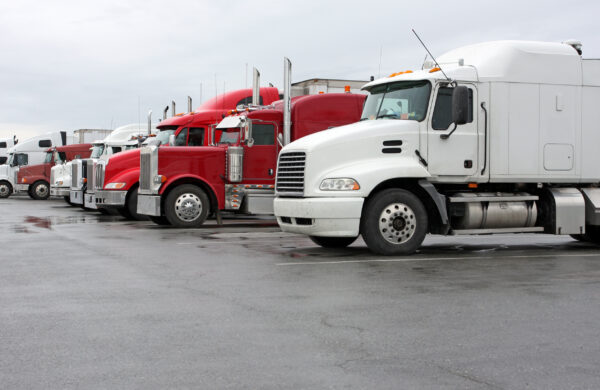

Logistics companies play an instrumental role in keeping the supply chain moving by packaging, warehousing and shipping goods. In the process, they encounter numerous risks. Insurance for logistics companies helps keep these risks under control.
Risks Facing Logistics Companies
A lot can go wrong between Point A and Point B. Companies in the logistics sector need to navigate a wide range of threats stemming from crime, technology and nature. Major risks include cargo theft, natural disasters, cyberattacks, crashes and derailments and nuclear verdicts.
Cargo Theft
Cargo theft is on the rise. According to CNBC, there were 3,798 events of cargo theft in 2024, with total losses amounted to $455 million. And, in 2024, the number of train cargo thefts increased by 40 percent.
Although many thefts involve warehouses and trucks in parking lots, goods transported by rail are also vulnerable. Recently, thefts occurring at railroad tracks in California have received national attention. According to the Los Angeles Times, police say they have taken down two theft rings that netted more than $18 million worth of stolen merchandise from railroad cars. Although this is good news, the threat of cargo theft at railroads continues.
Natural Disasters
Wildfires, tornadoes, hurricanes and severe storms can cause massive property damage and costly delays in shipments. In recent years, the number of disasters with major losses has increased. In 2024, the National Oceanic and Atmospheric Administration (NOAA) recorded 27 weather and climate events that each had losses of at least $1 billion.
Cyberattacks
Since cybercriminals sometimes target the supply chain, logistics companies are vulnerable to ransomware, phishing and other forms of cyberattack.
Business email compromise schemes are also a growing threat. According to the Internet Crime Complaint Center (IC3), criminals are using spoofed email domain addresses to order goods they will never pay for. They have used these tactics to illegally obtain construction materials, agricultural supplies, computer technology hardware, solar energy products and other goods.
Crashes and Derailments
Plane crashes, auto accidents, and train derailments are an ongoing concern for freight companies.
The National Safety Council estimates that there were 44,680 fatalities from preventable traffic crashes in 2024. This is a decrease of less than 1 percent, with 44,762 such deaths in 2023.
Train derailments are also common. According to the Association of American Railroads, there were 793 Class 1 train derailments in 2024. 74 percent of those derailments occurred in rail yards, while 26 percent occurred on mainline tracks.
Nuclear Verdicts
Jury awards of at least $10 million, also called nuclear verdicts, have been on the rise. The trucking industry has been especially hard hit by nuclear verdicts.
The American Transportation Research Institute (ATRI) says the size of verdict awards grew by 51.7 percent annually between 2010 and 2018. This is far greater than the rate of inflation – even health care costs only increased by 2.9 percent annually during this period.
Hear from a Supply Chain Insurance Broker
Insurance Coverage for Logistics Companies
Logistics companies need to protect their cargo, property, workers and bottom line against a wide range of risk events. They also need to shield themselves from liability. Robust logistics insurance coverage can give logistics companies the protection they need to limit their losses and continue operating.
To secure adequate coverage, logistics companies need multiple types of policies. In some cases, coverage may be a requirement of state law; in others, it may be a contractual requirement. For example, if you use a loan to purchase a fleet, the lender will likely require coverage. Vendors, clients and partners may also have insurance requirements. Finally, additional coverage types may be advisable to manage risks.
Insurance needs can vary depending on the company and the exact nature of its business. Common coverages that logistic companies should consider include cargo, commercial auto, commercial property, warehouse legal liability, professional liability, cyber liability and workers’ compensation insurance. Note that this is not a complete list of insurance programs – a logistics business may need additional coverage types. Talking to an insurance broker can help you identify the coverages that are the right fit for your business.
Learn More About Commercial Insurance Coverages
Cargo Insurance
Cargo insurance is a type of inland marine or ocean marine insurance coverage that covers property in transit. Motor truck cargo insurance is a specific type of cargo insurance that covers property being transported by truck, whereas transit insurance is a type of inland marine coverage that covers property in transit over land.
Warehouse Legal Liability Coverage
Losses are also possible while goods are stored in a warehouse or being prepared for shipment. If damage occurs, the warehouse may be held liable for failing to keep the goods safe. Warehouse legal liability insurance provides protection against property losses that occur under the care of a warehouse.
Professional Liability Insurance
Professional liability insurance is sometimes called errors and omissions insurance. It provides coverage against claims involving mistakes, omissions and other forms of professional negligence resulting in financial loss. Since logistics mistakes can lead to significant losses, this can be an important coverage type for freight forwarders.
Commercial Auto
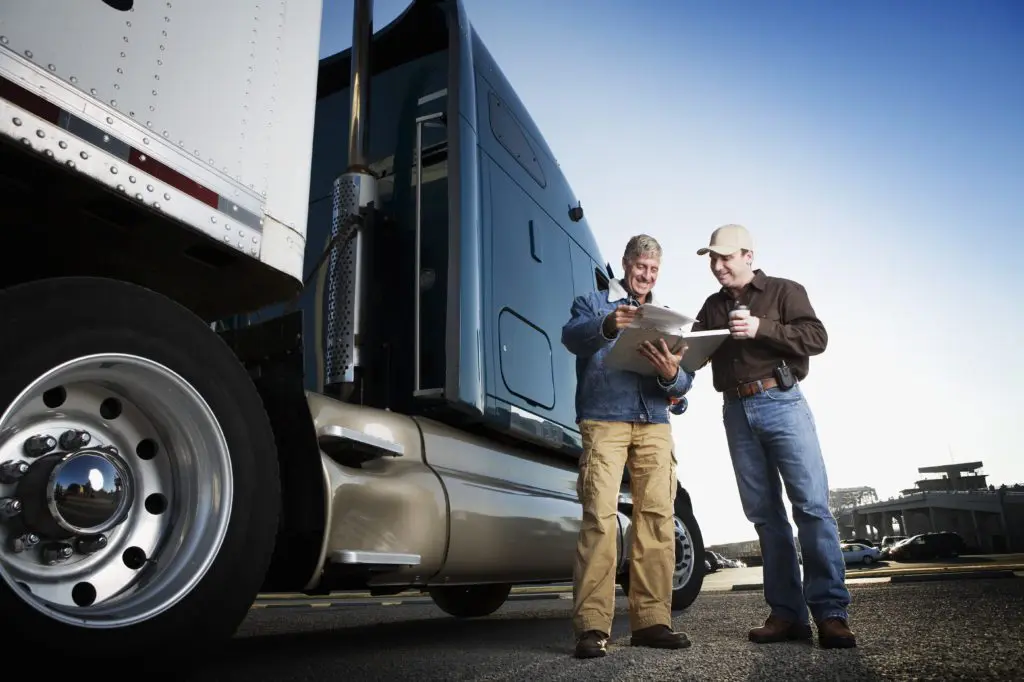
Commercial auto insurance is essential for any business that uses drivers. Logistics providers need to meet state insurance requirements and secure adequate liability coverage in light of rising jury awards and nuclear verdicts.
Commercial Property Insurance
Commercial property insurance is important for any logistics company with a physical location, whether a warehouse or an office. Coverage may apply to the building as well as to equipment and other property the company owns.
Cyber Insurance
Logistics companies are increasingly reliant on technology and smart devices. As a result, these companies are also vulnerable to phishing, ransomware and other types of cyberattacks. Cyberattacks can be expensive – they often involve business interruption, system recovery costs and even regulatory and legal costs. Since other types of insurance coverage may exclude these losses, cyber liability insurance provides important protection.
Workers’ Compensation
Since many work-related injuries involve transportation accidents, the logistics sector has a high injury rate. Accidents can also occur in warehouses. According to the National Safety Council (NSC), the transportation and warehousing industry experienced the highest number of injuries and illnesses involving days away from work in 2021. A robust workers’ compensation program can control losses and protect workers.
Since many work-related injuries involve transportation accidents, the logistics sector has a high injury rate. Accidents can also occur in warehouses. According to the National Safety Council (NSC), the transportation and warehousing industry experienced the highest recordable illness and injury rate per 10,000 workers. A robust workers’ compensation program can help to control losses and protect workers.
Talk to a Logistics Insurance Specialist
Covering Carriers, Freight Forwarders and Other Logistics Companies
Like the supply chain itself, the logistics sector is complex. Whether you’re a freight forwarder, a carrier or a third-party logistics provider, you need insurance coverage designed for your unique risks.
In addition to securing the right types of coverage, you need the right policy terms to protect your business. For example, you need to consider which perils or loss events a policy covers and which scenarios would result in coverage exclusions. Cost is another critical factor. In addition to considering the premiums you pay, look at your deductibles and limits – these elements will impact how much you have to pay if you make a claim. Good risk management practices can help you lower both your costs and your claims.
Insurance for logistics companies can be complex, but Higginbotham can help you determine your needs and secure appropriate insurance. Talk to a member of our team or request a commercial insurance quote today.