
Aircraft can be among the largest assets an aviation business owns. Whether it’s used for corporate travel, charter operations, flight training or personal use, damage to the aircraft could result in significant repair costs, operational disruptions and financial losses. Aviation hull insurance is designed to help protect the aircraft itself from covered physical damage, making it a key component of many aviation insurance programs.
What is aviation hull insurance?
Hull insurance is a type of physical damage coverage that protects an aircraft against covered losses involving the aircraft itself. Depending on the policy, coverage may apply to the airframe, engines, avionics, systems and certain attached equipment. Covered causes of loss may include accidents, fire, weather events, vandalism and other forms of physical damage.
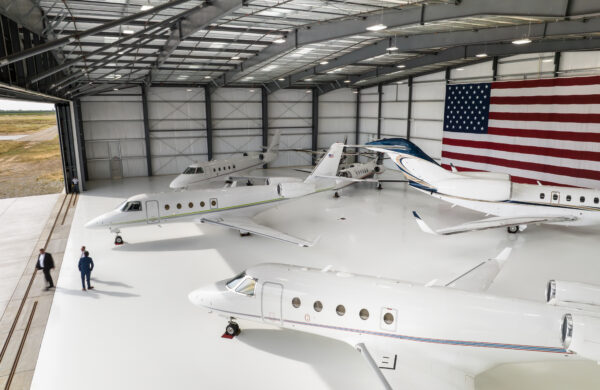
Aviation liability insurance helps protect against claims involving injuries to others or damage to third-party property, while aviation hull insurance helps to repair or replace the insured aircraft after a covered loss. For example, if an aircraft is damaged by a hangar fire or suffers substantial damage during a hard landing, aviation hull insurance may help cover repair or replacement costs.
How Aviation Hull Insurance Is Structured
Aircraft hull insurance policies can vary depending on how the aircraft is valued and when coverage applies.
Many aviation hull policies are written on an agreed value basis. Under agreed value coverage, the policyholder and insurance company establish the aircraft’s value at the beginning of the policy period. If a total loss occurs, the policy will generally pay out that agreed-upon amount, minus any applicable deductible.
This differs from actual cash value coverage, where the value of the aircraft is determined at the time of loss based on factors like depreciation, condition and market value. Because actual cash value requires the insurer to evaluate factors such as age, maintenance history and comparable aircraft sales after a claim, it could create more uncertainty regarding the final settlement amount.
Hull coverage can also vary based on when and where the aircraft is damaged:
- Ground risk only coverage is commonly available as either ground not in motion (GNIM) coverage or ground and taxi (ground not in flight) coverage. Non-motion coverage protects the aircraft while it is parked, stored or otherwise not moving. Ground and taxi coverage generally protects the aircraft while it is moving on the ground, such as when taxiing. Ground risk coverage does not cover the aircraft while it is in flight and may not cover the aircraft during takeoff or landing, depending on the policy terms.
- All risks ground and flight coverage provides the broadest physical damage protection by covering the aircraft during all phases of operation, including while it is in storage, taxiing, taking off, landing and in flight.
The type of hull coverage selected can affect insurance costs, with more comprehensive coverage, such as all risks ground and flight, incurring a higher premium. Factors like the aircraft’s storage environment, pilot experience, aircraft use, location, deductible and claims history could also influence premiums.
Which aircraft operations commonly require hull insurance?
Hull insurance is commonly carried by aircraft owners and operators when the aircraft represents a significant financial investment or when coverage is required by a contract, lender or lessor. Common examples include:
- Commercial Aviation Operations: Charter, cargo and passenger service operators often rely on aircraft availability to generate revenue. Damage to an aircraft can affect schedules, customer commitments and cash flow.
- Corporate and Business Aviation: Companies that own or operate aircraft may secure a hull insurance policy to help protect against the financial impact of a major repair or total loss.
- Financed or Leased Aircraft: Lenders and lessors frequently require hull insurance to protect their financial interest in the aircraft.
- Flight Training Operations: Training aircraft typically experience frequent takeoffs and landings and may be operated by pilots with varying levels of experience, which increases physical damage exposures.
- Aircraft Rental and Management Companies: Businesses that allow multiple pilots or clients to operate aircraft throughout the year may face additional risks that make hull coverage particularly important.
When should an aviation business secure hull coverage?
Aviation businesses should generally secure hull coverage before an aircraft is placed into service, financed, leased or otherwise exposed to operational risk.
Hull coverage can be especially important for businesses that own high-value aircraft or rely on aircraft availability for their daily operations. Damage to an aircraft can result in significant repair or replacement costs and may disrupt business activities while the aircraft is out of service.
Businesses should make sure to review their coverage whenever aircraft values, operations or ownership arrangements change. Keeping coverage aligned with the aircraft’s current value and use can help reduce the risk of coverage gaps or inadequate protection following a loss.

Hull Coverage Limitations and Considerations
Hull insurance can provide valuable protection, but it’s not designed to cover every single type of loss. Most policies exclude normal wear and tear, gradual deterioration, corrosion and mechanical breakdown, among other perils.
Insurance carriers may require pilots to meet specific experience, training and qualification standards, and available coverage could be affected if those requirements are not met. Geographic restrictions may also apply, with some policies limiting where an aircraft can be operated without prior approval.
Aircraft owners and operators should notify their insurance advisor when significant changes occur, such as major upgrades, changes in aircraft use or extended maintenance projects, as additional coverage considerations may apply.
Protecting Your Aircraft with the Right Coverage
For many businesses and individuals that rely on private aircraft, hull insurance provides valuable protection. The right approach to hull coverage will depend on the aircraft, ownership structure, financing or lease terms, intended operation and broader commercial insurance program.
Higginbotham’s aviation insurance specialists work closely with aircraft owners and operators to evaluate their insurance needs and help them secure competitive coverage. To learn more about aviation hull insurance for your aircraft or fleet, connect with Higginbotham’s aviation insurance team today.