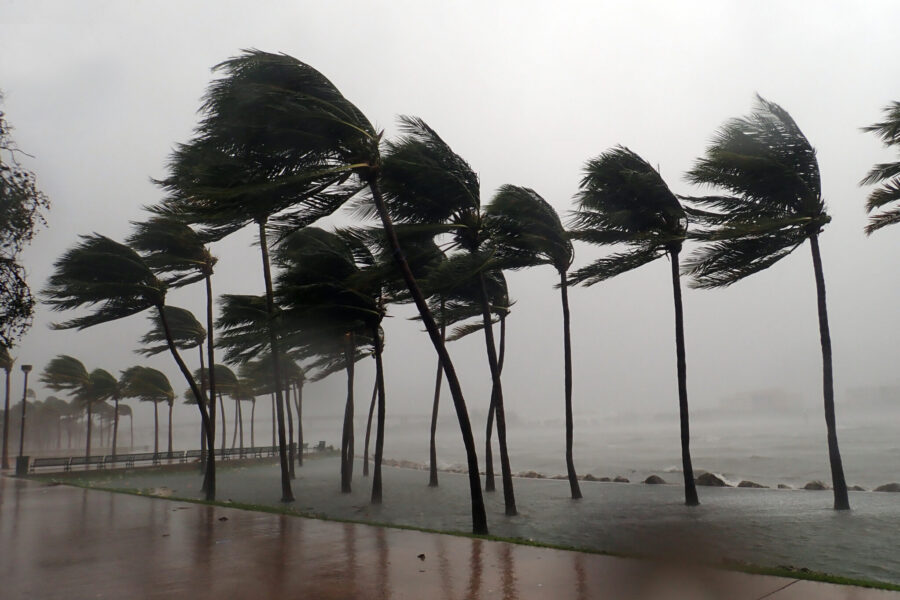

Hurricane season brings predictable yet often underestimated risks to businesses across coastal and inland regions. Organizations that treat hurricane preparedness as a year-round priority, rather than a last-minute scramble, position themselves to protect employees, minimize property damage and resume operations more quickly when disaster strikes.
Hurricane season typically runs from June 1 through November 30, affecting millions of people and businesses across the United States. Having a comprehensive business continuity plan that’s developed with the help of internal and external support is essential to help mitigate risks associated with hurricanes and safeguard employee well-being before and after a disaster. Ideally, preparation should begin well before hurricane season begins, with ongoing reviews to address changes in operations and lessons learned from each storm season.
Why Hurricane Preparation Matters for Businesses
Hurricanes can disrupt business operations in a variety of ways: high winds can damage buildings and equipment, storm surges can inundate coastal facilities, inland flooding can impact inventory and infrastructure, workforce displacement can impact production, and supply chain delays can slow recovery efforts.
Because hurricane season spans several months each year, businesses in high-risk regions should treat preparedness as an ongoing priority. Planning, preparing and practicing a business continuity and risk management strategy are crucial for minimizing the impact of a hurricane on operations and ensuring that teams know what to do when a storm hits. Organizations should also regularly test emergency procedures through tabletop exercises, evacuation drills and system testing to identify operational gaps before severe weather occurs.
Long-Term Prep Before Hurricane Season Begins
Effective hurricane preparedness should begin months before hurricane season. Long-term planning should focus on improving your property’s overall hurricane resistance, which could take weeks or months to implement. A comprehensive emergency plan should include securing physical locations, backing up data and ensuring communication protocols are in place.
Structured Risk Assessment
Begin with a thorough assessment to identify critical sites, equipment, inventory, utilities, data systems and suppliers most exposed to wind, storm surges or flooding. Federal Emergency Management Agency (FEMA) resources can help model potential surge impacts and identify vulnerabilities.
Businesses should also evaluate their dependency on third-party vendors, transportation routes, utilities and other suppliers that could experience storm-related disruptions. Identifying backup vendors and alternative sourcing options in advance could help reduce downtime after a hurricane.
Building Improvements
Protecting your organization’s physical property could include measures like installing impact-resistant windows, securing outdoor items and clearing debris from roofs. Other improvements might include:
- Wind-rated roof systems that are designed to withstand high winds
- Reinforced doors and loading dock entrances
- Protected skylights, windows and glass surfaces
- Secured garage and roll-up doors
- Flood barriers or water diversion systems for areas especially vulnerable to flooding
For example, rooftop HVAC units are prone to detachment in winds exceeding 100 mph, so bracing these units could help to prevent damage to both the system and the building.
Exterior Risk Controls
Maintain trees and landscaping to reduce debris hazards, anchor signage and antennas, secure rooftop units with appropriate bracing and designate an indoor storage space that can be used to store outdoor equipment.
Utility Resilience
Installing or testing backup generators, establishing fuel supply arrangements, adding surge protection for critical equipment, maintaining sump pumps and documenting safe shutdown and startup procedures for machinery can all contribute to operational resilience.
Businesses that rely on refrigerated inventory, medical supplies, manufacturing equipment or digital infrastructure should also verify generator capacity and fuel availability for extended outages.
Data Protection and IT
Digital infrastructure is often the most vulnerable yet essential system for resuming operations quickly after a disaster. Frequent data backups to off-site or cloud storage, redundant servers and tested recovery procedures can help protect critical information.
Contract and Insurance Coverage
Review leases, vendor contracts and service agreements to understand your obligations during hurricane season. Insurance policies should be reviewed to check coverage for wind, flood and business interruption, as standard policies may not cover these risks. Additionally, review waiting periods, deductibles and coverage limitations with your insurance advisor before hurricane season begins to prevent unexpected coverage gaps or out-of-pocket costs.
Building Your Hurricane Emergency Response Plan
An established hurricane plan and defined roles can help leaders to act quickly and safely under stress. Emergency response plans should outline evacuation routes, designated meeting points and shelter-in-place protocols.
Forming Your Emergency Response Team
Establish an internal emergency response team with defined roles like:
- Incident Commander
- Facilities Lead
- IT Lead
- Human Resources/People Lead
- Communications Lead
- Safety Officer
Also assign decision-making authority for closing facilities, suspending operations, activating remote work and authorizing emergency spending.
Site-Specific Checklists
Create hurricane preparedness checklists that are tailored for each location type – offices, warehouses, retail sites – with tasks organized by timeline and importance. Businesses should prepare a comprehensive hurricane preparedness checklist that includes essential items and actions to take before, during and after a hurricane to help ensure employee safety and business continuity.
Short-Term Actions During a Hurricane Watch or Warning
The National Weather Service issues a hurricane watch when tropical storm or hurricane conditions are possible within 48 hours, and a hurricane warning when those conditions are expected within 36 hours. Timing protective actions to these alerts is crucial for an effective response.
When a Hurricane Watch is Issued
Verify contact lists, top off fuel for generators and vehicles, perform final data backups and check storm supplies. Short-term hurricane preparedness plans should be developed well in advance and can be implemented when a hurricane is forecasted.
When a Hurricane Warning is Issued
Take concrete facility actions, making sure to prioritize the safety of employees and customers above all else. Facility-related actions may include:
- Board or shutter windows and secure doors.
- Move outdoor equipment indoors.
- Secure loose items like pallets, dumpsters and signage.
- Elevate critical inventory and equipment above likely flood levels.
- Move vehicles to higher ground.
- Isolate hazardous materials in secure, labeled and waterproof containers.
IT and Data Steps
Complete final backups, execute controlled equipment shutdown sequences, protect network hardware and establish clear instructions for remote access if the site becomes inaccessible.
People-Focused Actions
Confirm employee evacuation plans, clarify remote work expectations, close facilities with enough lead time and encourage employees to secure their homes and families. Monitor official information from local authorities and emergency management agencies, adjusting plans quickly when the storm’s track or intensity changes.
Maintaining Business Continuity During the Storm
Maintaining continuity during and after a hurricane can help organizations support operations, employees and customer relationships. Businesses should identify critical functions, enable remote access where possible and assign backup responsibilities for essential tasks like payroll, customer service and order processing.
Clear communication is also important during severe weather events. Organizations should establish backup communication methods, prepare employees for flexible work schedules and coordinate expectations with customers, vendors and suppliers as part of a broader continuity strategy.
Post-Storm Recovery
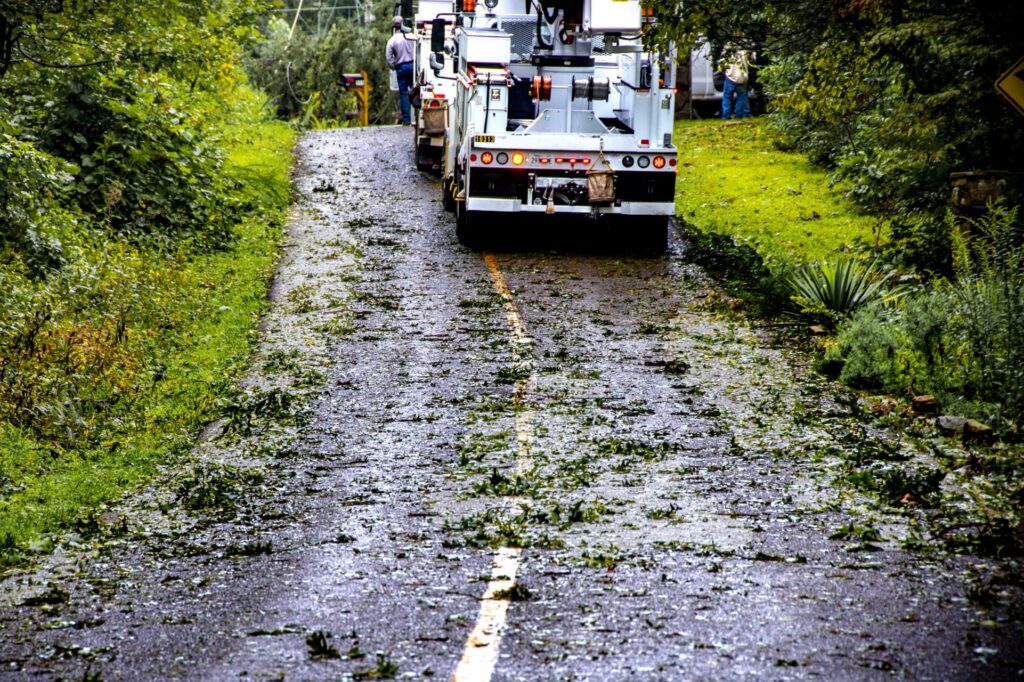
Once a hurricane passes, the focus shifts to damage assessment, claims reporting and staged re-entry. Immediate safety protocols for managers returning to the property may include checking for structural damage, downed power lines, gas lines, standing water, mold and damaged fire protection systems before allowing broader employee access.
Documenting and Reporting Losses
After a hurricane, businesses should document damage to buildings, equipment, inventory and vehicles using photos, videos and written records. Claims should be reported to insurance carriers as soon as possible, and businesses should secure damaged property to prevent additional losses.
Recovery and Reopening
Organizations should coordinate with restoration contractors, track extra expenses and develop phased reopening plans for employees and customers. Make sure to verify licensing, insurance coverage and references before a contractor begins repair work, as contractor fraud often increases following a natural disaster.
Conclude recovery efforts with a post-incident review that captures lessons learned and updates the hurricane preparedness plan, employee training, contracts and insurance coverage accordingly.
Strengthening Your Company’s Emergency Preparedness
Hurricane risk touches facilities, people, technology and finances as interconnected priorities. An experienced insurance and risk management advisor can help evaluate your exposures, explore coverage options and develop a strong risk mitigation strategy for your business.
Higginbotham works closely with businesses to understand their operations, evaluate their risks and design tailored insurance and risk management strategies that support organizational goals. Contact Higginbotham to discuss your current insurance program and options to help protect your employees, facility and long-term resilience.