
For consumer-packaged goods (CPG) companies, especially those in food and beverage, getting your product onto store shelves is only part of the challenge. Protecting your business from liability, operational risks and supply chain disruptions is just as important, and that’s where having the right insurance and risk management strategy comes in.
Whether you’re a startup entering into your first retail partnership or a growing brand scaling into national distribution, this checklist outlines some of the key coverages that can help to reduce your exposures and protect your bottom line.
General Liability
A core component of any business insurance strategy, commercial general liability (CGL) coverage protects against third-party claims of bodily injury or property damage that are linked to your operations or products. Many retailers require proof of general liability insurance before approving vendor agreements.
Product Liability and Recall
Even the best-run operations face risk. Product liability insurance helps to cover legal costs and settlements if a product causes harm.
Product recall insurance helps cover costs associated with withdrawing a product from the market due to a recall. Covered costs could include shipping, product disposal, replacement and crisis communications to consumers and business partners.
Both of these coverages are essential for managing liability and protecting your CPG brand’s balance sheet and reputation.
Property Insurance
Commercial property insurance helps to protect your buildings, equipment and even inventory against covered losses like fire, theft or certain weather events. For food and beverage brands, this coverage can be particularly critical when storing temperature-sensitive goods.
Workers’ Compensation
Workers’ compensation insurance helps to pay for costs associated with an employee injury that occurs while they’re on the job. Eligible expenses could include medical bills, rehabilitation and lost wages, as well as legal costs if your business faces an injury-related lawsuit filed by an employee.
Depending on the size of your workforce and the states you do business in, workers’ compensation may be a legal requirement.
Business Interruption
If an unforeseen event brings your operations to a halt, business interruption insurance can help replace lost income and cover fixed expenses like payroll and rent during downtime. Covered events could include fire, theft, lightning, riots, windstorms, vandalism and other catastrophes.
Contingent business interruption (CBI) insurance extends protection to include physical damage to property owned by a supplier. For example, if one of your suppliers experiences a fire and your production line is consequently stopped, CBI coverage can help replace lost income and fixed expenses until operations can resume. This coverage is especially important if your CPG business relies on a single or a few suppliers for key ingredients or materials.
Excess Liability (Umbrella)
Excess liability insurance, also known as umbrella insurance, extends coverage beyond your primary policies. It’s designed to cover losses that exceed your underlying policy limits.
For example, if your business faces a large workers’ compensation claim that exceeds your workers’ comp policy limits, then excess liability coverage may step in. Even if it’s not required as part of your contracts with retailers, it can offer valuable protection in the event of a major claim.

Other Coverage Options
Additional coverages for CPG companies might include:
- Equipment Breakdown: Equipment breakdown insurance is designed to keep your operations moving, even if your machinery fails. It helps cover losses from mechanical or electrical failures that halt production. For food and beverage businesses, covered equipment might include refrigeration units, packaging machines and other essential systems.
- Cyber Insurance: Cyber liability insurance helps to cover expenses related to cyberattacks, data breaches or cyber fraud. For CPG companies with e-commerce operations or connected supply chains, this is a particularly important layer of protection.
- Professional Liability: If your company provides formulation or consulting services, errors and omissions (E&O) insurance, a type of professional liability coverage, can help defend against claims related to negligence or mistakes made during the course of your services. This coverage is particularly important if you work with co-manufacturers or advise food and beverage startups.
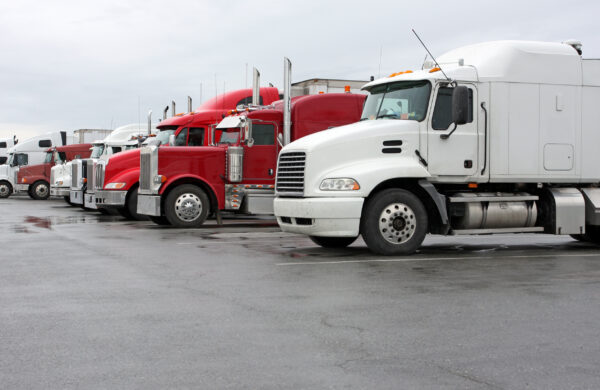
- Business Auto Insurance: If your company owns or operates vehicles, commercial auto insurance can help protect against liability and physical damage arising from their use. This could include company-owned cars, delivery vans and trucks that are used to transport goods or supplies.
- Stock Throughput: Stock throughput (STP) insurance protects your goods from production to delivery as they move through the supply chain. It combines property and cargo coverage into one policy to protect raw materials, semi-finished goods and finished products.
Is your business protected?
A strong CPG insurance program does more than check a box for compliance. It helps to support long-term growth, protect your business and show your partners and retailers that your company is built to last.
At Higginbotham, we help CPG companies simplify insurance and risk management with tailored strategies that grow with you. To learn more about how Higginbotham can be a partner to your business, connect with a commercial insurance specialist today.