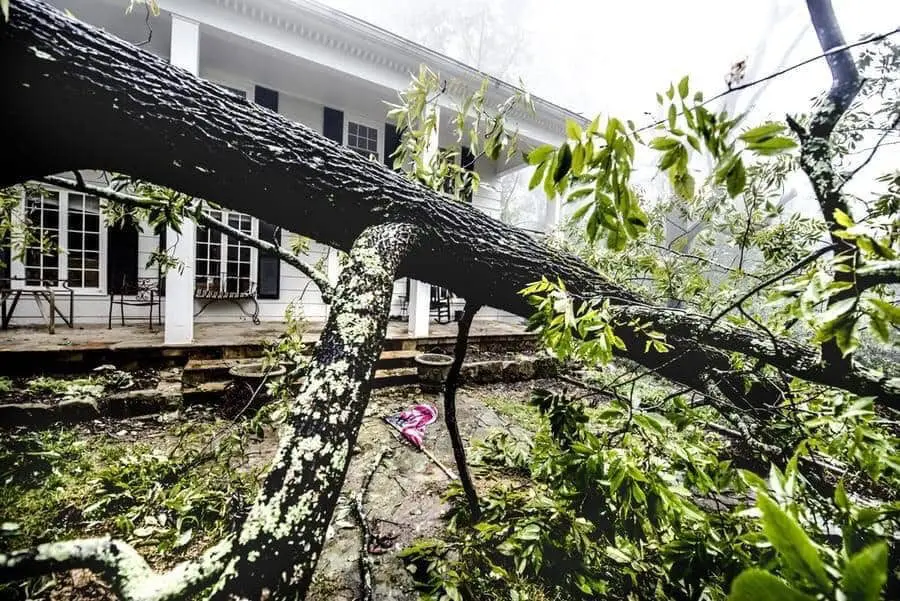

When your home becomes uninhabitable due to a covered loss, your focus quickly shifts from damage and repairs to practical needs – like where your family will stay and how to manage the added expenses that may follow.
Fortunately, many homeowners’, renters’ and condo insurance policies include Additional Living Expenses (ALE) coverage, which provides support for maintaining your household’s standard of living while your residence is being repaired or rebuilt.
However, ALE coverage is often misunderstood. Policyholders may not be aware of what’s covered, how reimbursement works or whether their current policy limits are enough until they face a loss.
What is additional living expense coverage?
ALE coverage applies when your primary residence is deemed unlivable due to a covered event like a wildfire, storm damage or vandalism. While your home is being repaired or rebuilt, ALE can reimburse you for certain increased costs that are incurred while temporarily living elsewhere.
Rather than covering all of your living expenses, ALE covers the additional amount you incur above your usual costs. For example, if your grocery bill is normally $200 per month and rises to $350 due to dining out while staying in a hotel, ALE may reimburse the $150 difference (subject to policy terms).
It’s important to note that ALE only applies when relocation is necessary – not elective. If your home remains safe to occupy and livable during repairs, ALE coverage typically does not apply.
What Additional Living Expense Coverage Includes
While coverage varies by policy, ALE generally helps offset costs related to:
- Temporary housing, such as hotels or short-term rentals
- Meal costs if cooking facilities are not available
- Additional transportation if your temporary residence is farther from work or school than your home address
- Storage or moving costs for personal property
- Laundry services if they are not included in your temporary living space
- Pet boarding, if necessary and above your typical costs
Reimbursement is based on your usual standard of living and the specifics of your temporary situation. Insurance adjusters typically evaluate expenses for reasonableness and relevance to your displacement.
Exclusions and Limitations
To avoid surprises, it’s important to understand common exclusions. ALE coverage generally does not pay for:
- Mortgage payments, rent or property taxes on your damaged residence
- Normal utility bills unless service is disrupted by the loss
- Pre-existing expenses like childcare (unless those costs increase due to displacement)
- Damage from excluded perils like floods or earthquakes, unless separately insured
- Voluntary relocation when the home remains habitable
- Luxury accommodations beyond necessary temporary needs
ALE is designed to help bridge the gap between your normal living expenses and the additional costs that arise during temporary displacement. It is not designed to replace all household expenses or to upgrade your standard of living.
ALE Coverage Limits and Duration
Most homeowners’ policies include ALE coverage as a percentage of the dwelling coverage, such as 20 or 30 percent. In addition to this dollar limit, ALE coverage is usually limited to a set period of time, such as 12 or 24 months. Coverage continues only while your home is uninhabitable and repairs are ongoing. Once your home is safe to occupy or the maximum time limit has been reached – whichever comes first – ALE benefits typically end.
Since ALE coverage limits are typically tied to your dwelling coverage limits and do not automatically increase based on your location or household needs, those in high-cost areas or with specific living requirements could hit their coverage limits sooner. You may want to consider raising your ALE limits or adding an endorsement if any of the following apply:
- You live in a high-cost area where housing, food and transportation expenses are significantly above average.
- You live in a community with limited temporary housing options, such as a rural area.
- You or a family member have dietary requirements or restrictions that could make meals away from home significantly more expensive.
- You or a household member rely on in-home care, accessibility features or specialized services that may be difficult to replicate in temporary housing.
- You have pets that require pet-friendly accommodations, which are often more expensive or limited.
- You have a larger household that would require multiple rooms or larger accommodations.
- You want broader protection to avoid unexpected out-of-pocket costs.
Many insurers offer optional endorsements that can enhance your ALE protection. One example is an “Actual Loss Sustained” endorsement, which removes the fixed dollar limit and reimburses all reasonable and necessary increased living expenses (subject to time limits and policy terms).
While they may increase your premium and require underwriting approval, an endorsement could give you financial flexibility during an extended or complicated displacement. Make sure to review your ALE needs with your insurance advisor to determine whether your current coverage is adequate or if it needs adjustment.

Filing an ALE Claim
To use ALE coverage, timely reporting and documentation are essential. If your home becomes uninhabitable due to a covered loss, notify your insurance carrier promptly. Make sure to track all additional expenses and to keep any receipts or documentation. You may also be asked to document your typical monthly costs for comparison.
The time it takes to start receiving reimbursement payments varies by provider. Depending on your policy terms and your insurer, you could be offered an up-front payment to address your immediate needs.
Real-World Examples
Here are a few real-world scenarios that demonstrate how ALE coverage can make a difference:
- A homeowner in a major city is forced to relocate after water damage and mold concerns. High hotel and rental prices quickly exhaust their ALE limit. Without additional coverage, they are left to pay out of pocket for extended housing.
- A family of four is displaced for a few days after a hailstorm damages their home. ALE could help cover their hotel room, increased meal costs due to limited kitchen access, storage fees for their belongings and boarding for their pets.
- A family in a rural area must relocate for several months due to wildfire damage. The closest available rental property is over an hour away, so their fuel usage increases drastically. ALE helps pay for the rental and the increase in transportation costs, but the family quickly hits their coverage limit. Fortunately, they have an “Actual Loss Sustained” endorsement, which allows them to receive reimbursements beyond this limit.
Plan Ahead with Confidence
Understanding your ALE coverage before a loss occurs can help reduce financial strain during a challenging time. Regularly reviewing your policy with your insurance advisor is key to identifying potential gaps, especially if your circumstances have changed.
At Higginbotham, we help individuals and families align their personal insurance with real-world risks. Our insurance professionals can guide you through your coverage options and secure quotes from leading insurance carriers.
Don’t wait for a disaster to review your coverage. Connect with a Higginbotham personal insurance specialist today to go over your homeowners’ insurance needs so your family can feel prepared no matter what life brings.