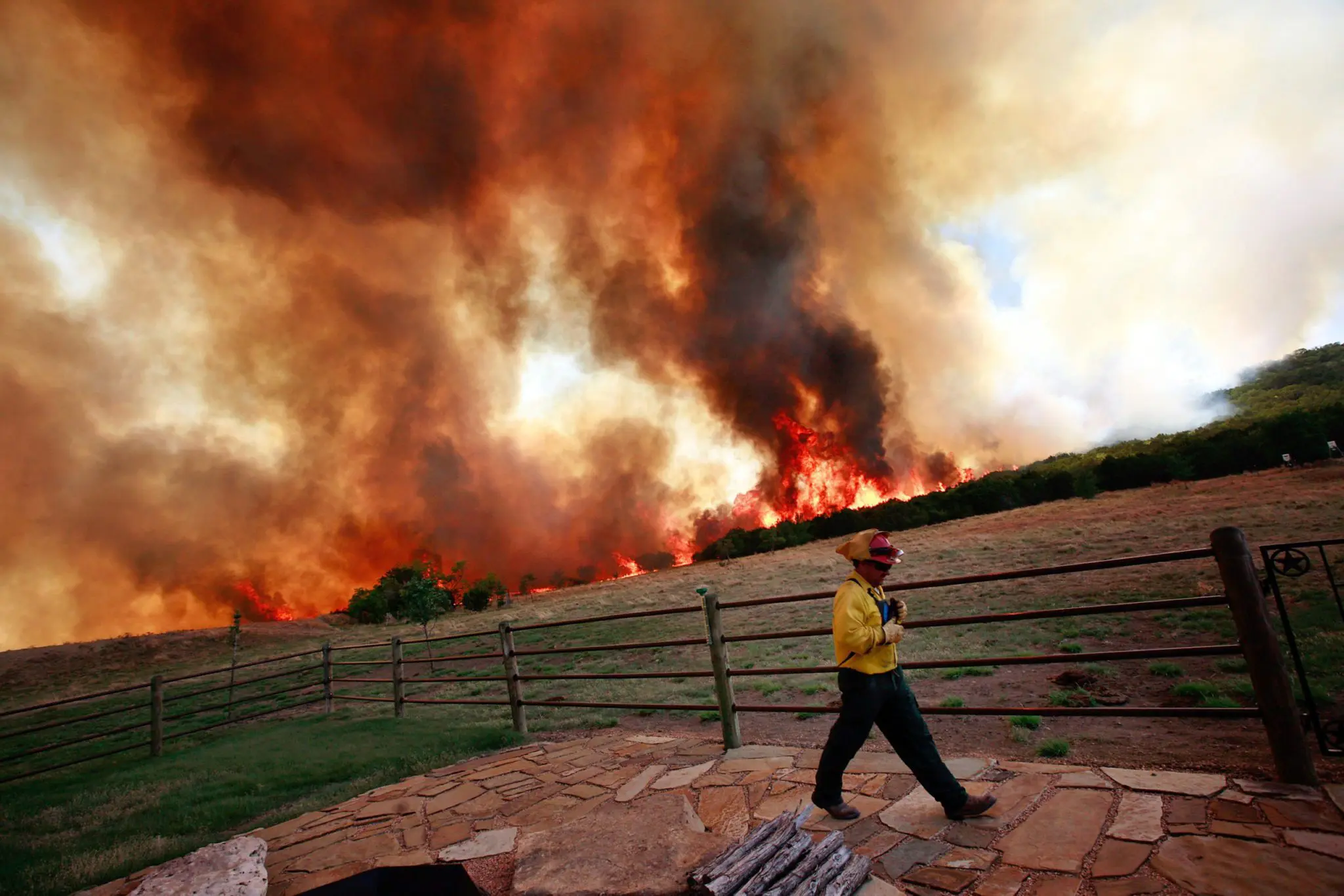

Wildfires can spread rapidly and unpredictably, often leaving little time to react. For homeowners in or near high-risk areas, preparation is essential, not only to help protect physical property, but to support the safety and well-being of everyone in the household.
With thoughtful planning and access to the right resources, you can approach wildfire season with greater confidence. This guide outlines steps that may help you reduce exposure to wildfire-related loss and support recovery efforts.
Before the Fire: Establish a Wildfire Action Plan
The first step in protecting your household is to create a wildfire action plan that’s tailored to your unique circumstances. A strong plan not only outlines how to evacuate but also accounts for communication, pet safety and essential supplies. To prepare effectively, consider including the following components in your action plan:
- Designated Meeting Point: Choose a meeting location that’s outside of the immediate, high-risk area where your household can reunite if you become separated during evacuation. This should be a location that is easy to access and far enough from danger zones to offer safety.
- Multiple Escape Routes: Identify at least two evacuation routes from your home and neighborhood in case primary roads are inaccessible. Practice these routes with all family members to double-check that everyone knows what to do under pressure. Keep physical maps in your emergency kits in case digital navigation tools are unavailable.
- Pet and Animal Care: If you have pets or livestock, include them in your evacuation plans. Make sure that you have carriers, leashes, food, water and any necessary medications ready in advance. Identify nearby animal shelters, veterinary facilities or friends and family who may be able to assist with temporary care.
- Emergency Communication Strategy: Select a family member or friend outside of your area to serve as a central point of contact. If separated, each member of your household can check in with this person to confirm their safety and receive updates.
Pack a Wildfire Emergency Bag
Having a pre-packed “go bag” allows you to evacuate quickly and efficiently. Each household member should have their own bag with:
- Essentials: Three-day supply of non-perishable food and water, a flashlight, batteries, a first aid kit, dust masks and a portable phone charger
- Navigation Tools: A printed map with your evacuation routes clearly marked
- Important Documents: Copies of insurance policies, personal identification, financial records and emergency contacts
- Personal Items: Eyeglasses, contact lenses, essential medications, hygiene products, a change of clothes and other daily necessities
Store your go bag in an accessible place and update it seasonally to keep supplies current.
After the Fire: Returning Home and Navigating Recovery
Do not return to your property until fire officials have declared the area safe. Even after the flames are extinguished, flare-ups, smoldering debris and weakened structures may still pose risks.
Clean Up Safely
To reduce health risks from ash and debris, consider these precautions:
- Wear long sleeves, gloves, protective eyewear and an N95 mask or equivalent.
- Lightly dampen ash and debris with water to minimize airborne particles.
- Use a HEPA vacuum for indoor cleanup. Avoid standard models that may recirculate hazardous particles.
- Wash exposed skin, clothing and pets using mild soap and water.
- Clean hard surfaces with a damp cloth or mop and dry thoroughly to prevent mold or mildew.
Document Damage and Notify Your Insurance Provider
Prompt documentation can support a smoother claims process. After returning home:
- Take clear photographs of all visible damage, including structural issues and damaged personal property.
- Contact your insurer to initiate your claim and review any applicable policy coverages, such as additional living expenses.
- Keep records of emergency repairs, temporary housing and related expenses.
Recovery Takes Time
Wildfire recovery can be a prolonged process. Claims for fire-related damage often involve multiple steps and inspections, especially if structural repairs or total rebuilds are necessary. Patience and persistence are critical during this time. Stay in touch with your insurance advisor throughout the process and seek professional support as needed.
Long-Term Prevention: Reduce the Risk of Future Damage
Even after recovery, wildfire prevention remains an ongoing responsibility. As part of your long-term wildfire defense strategy, consider taking proactive steps such as:
- Use fire-resistant materials. When building or making repairs to your home, consider using materials designed to resist ignition, such as Class A roofing, fire-rated siding and ember-resistant vents.
- Have an accessible water supply. Keep a water source, such as a garden hose connected to a reliable spigot or a water tank, in a spot where it can reach all areas of your property. This can be helpful for wetting down surfaces or spot-controlling embers, if conditions allow.
- Create a fire-resistant zone. Consider maintaining at least 30 feet of clearance around your home by removing flammable vegetation, leaves, wood piles and other debris. Trim tree limbs that hang over structures and remove dead plants or shrubs regularly.
- Review your insurance coverage regularly. Connect with your insurance advisor regularly to ensure that your homeowners’ policy reflects the current replacement cost of your home and includes appropriate coverage for wildfire-related risks.
Are you prepared for a wildfire?
While wildfires can present a serious threat, proper preparation can make all the difference. At Higginbotham, we provide guidance that goes beyond insurance policies, and we help our clients plan for the unexpected.
If you’re unsure whether your current homeowners’ insurance provides adequate protection or if you want to explore additional coverage options, our team is here to help. Connect with one of Higginbotham’s personal insurance specialists to learn more.