
Natural disasters, extended power outages and regional emergencies can strike without warning – and when they do, access to clean water, food and medical care could be disrupted for days.
A well-stocked emergency kit can help a household remain safe and self-sufficient for at least 72 hours when outside help may not be available. Understanding what to include, how to store it and when to update it is one of the most practical steps any homeowner can take to protect their family.
What is a home emergency kit?
A home emergency kit is a collection of essential supplies that can help your household remain safe and self-sufficient when normal services are disrupted. Whether caused by a severe storm, wildfire, an extended power outage or another emergency, a kit can provide the resources that your family needs until utilities are restored or additional assistance becomes available.
Every household’s needs are different. The size of your family, where you live, whether you have pets and your household members’ medical or accessibility needs can all influence the type and number of supplies you should keep on hand in case of an emergency.
72 Hour Rule vs. Extended Preparedness
A three-day supply benchmark is recommended by major disaster preparedness agencies. These supplies cover immediate survival needs: water, food, first aid, shelter, light and communication. It assumes that outside assistance may take up to three days to reach many households after a major emergency.
Extended preparedness – planning for one week or more – may be necessary depending on your location and risk factors. During severe hurricanes, prolonged winter storms or widespread infrastructure failures, a household may need to shelter in place for far longer than 72 hours. Some state emergency management offices recommend keeping up to a two-week supply of water per person.
The core survival needs remain the same regardless of duration: hydration, calorie intake and shelter. However, comfort items become more important the longer an emergency lasts. Entertainment for children, additional clean clothing and bedding can help maintain morale during extended emergency events.
Essential Components of a Home Emergency Kit
A well-stocked emergency kit should include supplies to help your household stay safe during an emergency. At a minimum, include the following:
- Water: Store enough water for every member of your household, including pets. A common recommendation is at least one gallon per person per day for at least three days, though a two-week supply is ideal when possible. Store water in clean, food-grade containers and replace it regularly.
- Nonperishable Food: Keep enough shelf-stable food to last at least two weeks. Choose items that require little or no preparation, such as canned foods, nut butters, granola bars, dried fruit and any other ready-to-eat options.
- First Aid and Medications: Include a first aid kit along with at least a week’s supply of prescription medications. If someone in your household has a medical condition, add items like inhalers, diabetes supplies or hearing aid batteries.
- Emergency Tools: Pack essential tools like flashlights, batteries, a battery-powered or hand-crank weather radio, a manual can opener, a multi-tool, a whistle and portable phone chargers. These items can help you stay informed and communicate during a power outage.
- Personal Hygiene and Sanitation: Include basic hygiene supplies like soap, hand sanitizer, toilet paper, toothbrushes, feminine hygiene products, moist wipes, garbage bags and plastic ties to help maintain sanitation if utilities are unavailable.
- Important Documents: Store copies of identification, insurance policies, medical records and other important documents in a waterproof container. Digital backups stored securely on a USB drive or in encrypted cloud storage can provide additional protection.
Additional Supplies for Enhanced Preparedness
Beyond these basic items, additional supplies can make a kit more robust and help a family to manage extended emergencies more comfortably.
- Clothing and Bedding: Include extra changes of weather-appropriate clothing, as well as sturdy footwear, rain gear, a warm blanket and a sleeping bag per person.
- Cash: Small bills and coins can be a helpful addition to an emergency kit, since ATMs and electronic payment systems may be down during regional outages.
- Fire Safety and Escape Tools: A fire extinguisher, working smoke and carbon monoxide detectors and an escape ladder for multi-story homes can help keep household members safe.
- Shelter Modifications: Include duct tape and plastic sheeting for sealing windows and doors or creating a protected space inside your home.
- Entertainment and Stress Relief: Books, games, cards, pencils, coloring supplies and comfort items for children can become essential during extended emergencies.
- Pet Supplies: Include at least a one-week supply of pet food and water, along with medications, veterinary records, a leash or harness, a carrier and waste disposal bags.
Special Considerations for Different Family Needs
No two households are identical, and an emergency kit should reflect the specific needs of each person in the home. Tailor your emergency kit to local hazards like hurricanes or earthquakes, and adjust contents for the following:
- Infants and Toddlers: Make sure to include formula, bottles, sterilization supplies, diapers, wipes, baby food, pacifiers and a favorite toy or blanket for emotional comfort.
- Elderly Persons: Extra prescription medications, mobility aids, hearing aid batteries, dietary modifications and medical equipment with backup batteries can all be essential supplies. Also, ensure that containers are easy to open for family members with limited strength or dexterity.
- Family Members with Disabilities: Depending on your household’s needs, you may want to include specialized assistive technologies, backup power for medical equipment, braille or large-print documents, communication aids and a caregiver’s plan.
- Dietary Restrictions and Allergies: If necessary, include gluten-free, vegetarian, diabetic or allergen-safe food options, along with allergy medications like epinephrine auto-injectors. Make sure to avoid cross-contamination when packing food supplies.
Storage and Maintenance Best Practices
Building an emergency kit is only the first step. To be useful in an emergency, it needs to be easy to find and kept up to date.
Store your kit in a cool, dry location that’s easy for everyone in your household to access, such as a hallway closet, mudroom or garage. Waterproof plastic bins, backpacks or duffel bags all work well, especially if they’re clearly labeled and organized so that important items can be found quickly. Avoid storing your kit in areas that are prone to flooding or extreme temperatures.
Plan to review your emergency kit every six months. Replace expired food, medications and other supplies; refresh stored water; test or replace batteries as needed and update clothing or other seasonal items. A quick review just once or twice a year can help keep your kit ready when you need it.
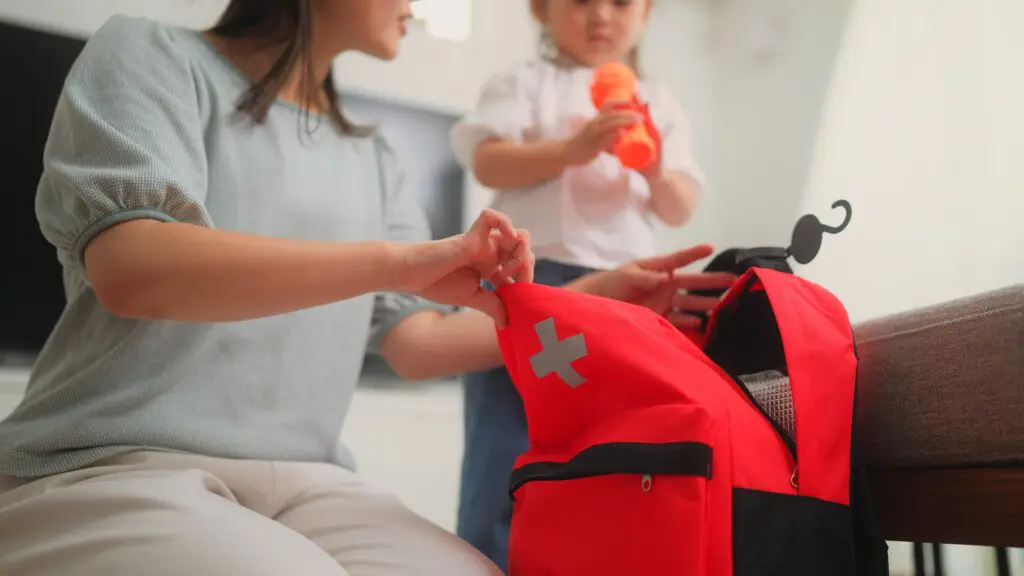
If possible, don’t rely on a single emergency kit. A smaller “go bag” near your home’s exit can save valuable time during an evacuation, and keeping basic emergency supplies in each household vehicle can be helpful if family members are away from home when disaster strikes.
Is your household prepared?
Being prepared for an emergency goes beyond stocking supplies. Reviewing your home insurance can help you understand what your policy covers before you need to file a claim and identify areas where additional protection may be appropriate.
Higginbotham’s personal insurance specialists work with homeowners to evaluate their coverage and discuss options based on their needs. Whether you’re reviewing an existing policy or exploring additional protection, our team can help. Contact a Higginbotham insurance specialist today to learn more.