Roadside emergencies affect drivers nationwide, regardless of driving experience or vehicle condition. A flat tire, a dead battery or severe weather are all common situations that could become dangerous without the right preparation.
A vehicle emergency kit can’t replace professional roadside assistance, but it can help to bridge the gap until support becomes available.
Core Items for Every Car Emergency Kit
These items are foundational and belong in every driver’s emergency kit, regardless of climate or typical driving conditions. These essentials can address the most common needs that arise during many roadside emergencies.
- Visibility and Signaling: LED flashlight with extra batteries and reflective warning triangles or road flares
- Communication and Navigation: Phone charging cable, a portable power bank, a printed list of key phone numbers, a physical map and an emergency radio
- Comfort: At least one water bottle per regular passenger, nonperishable snacks and lightweight blankets
- Basic Tools: Jumper cables, duct tape, work gloves and a multi-tool or pocketknife
- Important Documents: Copy of your current vehicle registration and proof of auto insurance coverage
- First Aid Kit: Adhesive bandages, antiseptic wipes or ointment, tweezers, small scissors, sterile gauze, medical tape and non-latex gloves
- Personal Care: Hand sanitizer, baby wipes, tissues, over-the-counter pain relievers and a short-term supply of essential prescription medications
- Seasonal Items: Swap out seasonal supplies depending on the current season and where you’re traveling to
Store items in a durable, clearly labeled bin or bag in the trunk or cargo area of the vehicle. This makes the kit easy to find and access during stressful situations when you may be dealing with adverse weather conditions or limited visibility.
Vehicle Tools and Supplies to Handle Breakdowns
Tire-Related Items
- A tire pressure gauge
- A tire repair kit
- A portable tire inflator
- A jack and lug wrench, if compatible with your vehicle
Make sure to check your spare tire pressure monthly. An underinflated spare tire may not provide any relief in the event of a flat.
Battery Support
Jumper cables with clear instructions or a portable jump starter can help address a dead battery, which is a common reason for roadside assistance calls. Review your owner’s manual ahead of time so that you understand safe jump-start procedures.
Vehicle Fluids
- Windshield washer fluid
- A small bottle of engine oil
- A collapsible funnel
Consider keeping a printed copy of your vehicle’s roadside assistance information and a simple “what to do after a crash” checklist in your car’s glove box. This guidance can be particularly helpful during stressful situations.
Seasonal and Regional Add-Ons
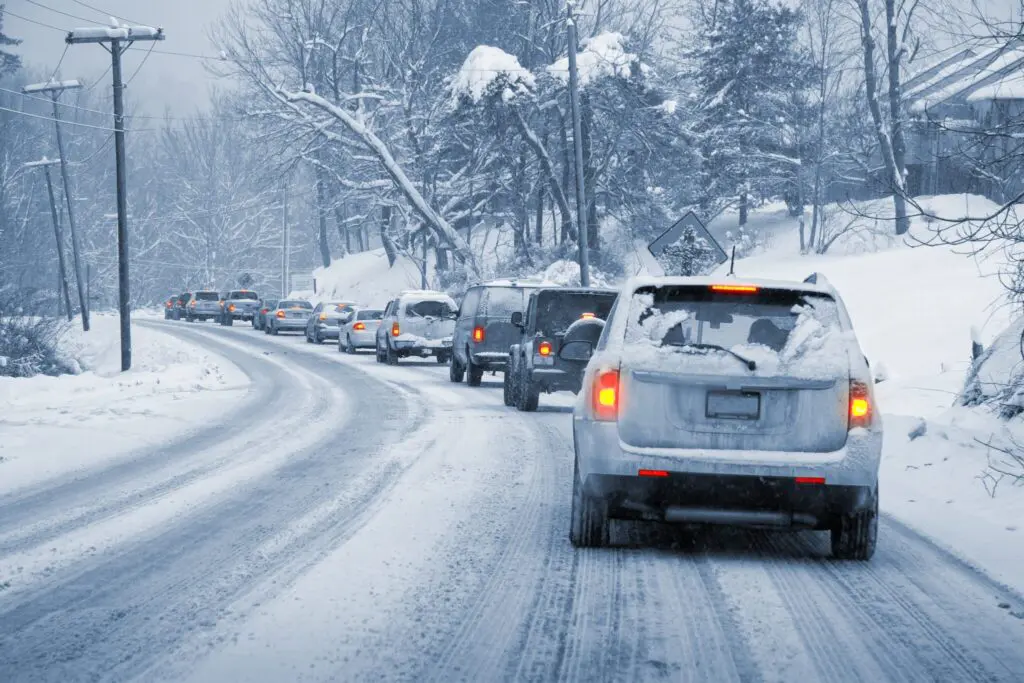
The items in your emergency car kit should shift with the seasons and reflect where you live or plan to travel. Drivers who prepare for seasonal conditions are better equipped to handle unexpected situations.
Winter and Cold Weather Essentials
Cold weather increases the risk of hypothermia, especially during extended delays, so it’s essential to add supplies for winter weather during the colder months. Some key items include:
- An ice scraper and snow brush
- Tire chains, if compatible with your vehicle
- Extra blankets
- Hand warmers
- A spare hat, gloves and socks
- Ice melt packets or other traction aids
Summer and Extreme Heat Essentials
Much like cold weather, extreme heat can quickly become dangerous during extended delays. Some items to add to your car’s emergency kit during the summer months include:
- Extra water beyond a basic supply
- A lightweight long-sleeve layer
- A reflective windshield shade
- Sunscreen and bug repellent
- Instant cold packs
Heavy Rain and Storm Supplies
- Waterproof rain ponchos
- A sturdy umbrella
- Slip-resistant shoes
- Traction aids, such as sand
Review and swap seasonal gear at least twice a year; early spring and early fall are good times to update your emergency kit’s contents.
Packing for Children and Pets
Drivers with children or pets need to think beyond a one-size-fits-all kit. Here are a few items that may be helpful if your family becomes stranded during a roadside emergency:
- For Children: Diapers, wipes, spare clothing, baby formula and bottles, toys or activity items, additional snacks and familiar comfort items (e.g., a stuffed animal or blanket)
- For Pets: Leash, collar with a current ID tag, pet-safe food and treats, waste bags, a collapsible water bowl and a blanket or towel
When storing emergency kits in your vehicle, make sure to consider seating and available space so that important items are easy to reach without unloading the entire trunk. Store important items in a place where they can be accessed as safely and easily as possible.
Check your kit at least every six to 12 months. Food, medications and supplies can expire, and children’s needs can change quickly, so replace items as needed to keep the kit useful.
Routine Vehicle Care
A car emergency kit works best alongside routine maintenance and planning. Even the most comprehensive kit cannot compensate for a poorly maintained vehicle.
Make sure to follow your car manufacturer’s service schedule for brakes, tires, fluids, belts and battery. A well-maintained vehicle is less likely to leave you stranded in the first place.
Review your personal auto insurance documents at least yearly so you understand your roadside assistance and coverage options. Knowing what support you have before an accident occurs can help you respond more effectively.
How Personal Insurance Supports Preparedness
Even the most complete emergency kit has limits, and that’s where personal auto insurance plays a role. Depending on your policy, coverage may help with towing, roadside assistance, repairs or rental reimbursement after an accident.
For households with multiple drivers or specialized vehicles, it’s particularly important to have coverage that reflects how and where you drive. To review your insurance options and align coverage with your real-world driving needs, connect with a Higginbotham specialist today.