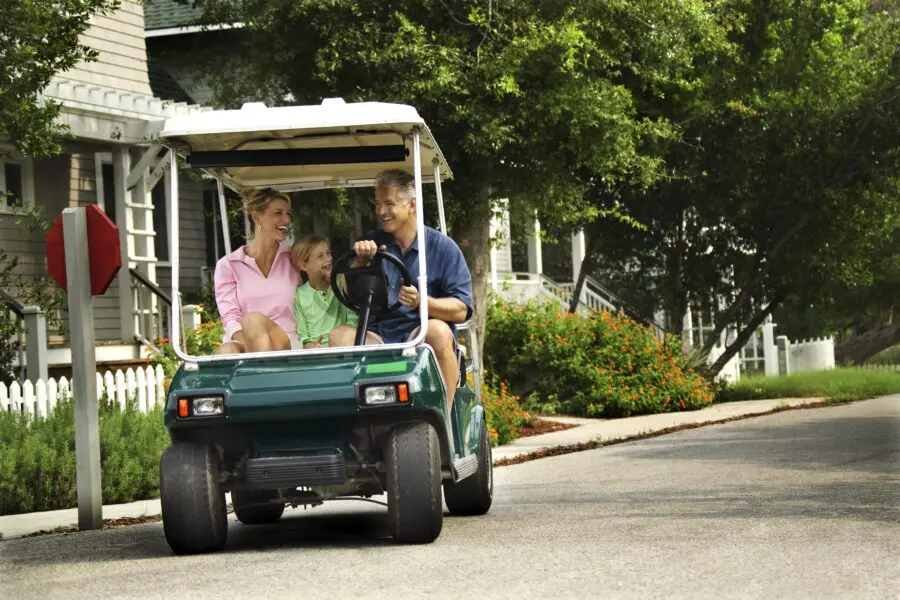

Golf carts are no longer limited to golf courses. In many communities, they are used for neighborhood travel, short errands and recreation, which can raise questions about how insurance coverage applies if an accident, theft or other loss occurs. Understanding how golf cart insurance works can help owners evaluate potential risks and determine whether additional protection may be needed.
What is golf cart insurance?
Golf cart insurance is a specialized policy that’s designed to protect owners from financial losses related to accidents, theft, vandalism or damage to their golf cart. Coverage may apply to recreational golf carts that are used around a neighborhood or community, carts kept at a vacation property or low-speed vehicles operated on private land.
Depending on the policy, golf cart insurance may include liability coverage, which can help to pay for injuries or property damage if the cart’s driver is responsible for an accident. It may also include protection for physical damage to the cart, theft and other covered losses.
This coverage is important because standard homeowners’ and auto insurance policies often limit or exclude golf cart incidents, particularly when carts are used off the owner’s property or on public roads. And, in some cases, golf carts may qualify as low-speed vehicles (LSVs), which can involve different insurance considerations depending on how the vehicle is equipped, registered and used.
Insurance for Street-Legal vs. Off-Road Golf Carts
A golf cart’s insurance needs often depend on whether the vehicle stays on a golf course or private property, or whether it is driven on public roads. A cart used only on a course may have different risks and coverage needs than a street-legal cart that’s used around cars, pedestrians and cyclists.
Street-legal golf carts generally include added equipment like headlights, brake lights, mirrors, reflectors, seat belts and other safety features. These custom parts and upgrades may affect the price of insurance, the coverage options available and the legal requirements that apply.
Some states or local jurisdictions may require insurance for golf carts that are operated on public roads. In communities where golf carts are commonly used for transportation, additional regulations may also apply. Laws regarding golf cart insurance vary widely, so consult with your local insurance advisor to see what the requirements are in your area.
Golf Cart Insurance Coverages
Available coverages will vary by insurer, state and vehicle type, but the most common coverage components include:
- Bodily injury liability may help with medical expenses and related costs if the golf cart owner causes an accident that injures another person.
- Property damage liability provides coverage for damage to another person’s property if the golf cart owner is found responsible for an accident, such as damage to a vehicle, fence or structure.
- Collision coverage is designed to cover damage to the golf cart after an accident, regardless of fault. This may include collisions with another vehicle, a curb, a tree or another object.
- Comprehensive coverage helps protect against certain non-collision losses, such as theft, vandalism or weather-related damage.
- Medical payments coverage can assist with medical expenses for the driver and passengers after a covered accident, regardless of fault.
- Uninsured/underinsured motorist coverage offers protection if the golf cart is involved in an accident with a driver who has inadequate or no insurance coverage.
Some policies may also cover equipment and custom parts such as upgraded seats, wheels, enclosures, stereo systems or lighting packages. Owners should confirm whether added accessories must be scheduled, declared or insured separately.
Common Golf Cart Insurance Exclusions
Understanding a policy’s exclusions is just as important as understanding what it covers. Exclusions will vary by policy, but some of the most common ones include:
- Racing, stunt use or reckless operating behavior
- Commercial use, rental use or transporting paying passengers
- Intentional damage or losses caused due to illegal activities
- Use outside the permitted area, such as public roads, if the policy only allows for usage on private property
- Unlicensed, underage or excluded drivers (if a license is required to drive the vehicle)
- Wear and tear, mechanical breakdown, battery deterioration or maintenance-related damage
- Damage from flooding, earthquakes or other natural disasters
- Undeclared modifications, speed changes or custom parts that are not approved by the insurance company
How Golf Cart Insurance Compares to Other Coverage Options
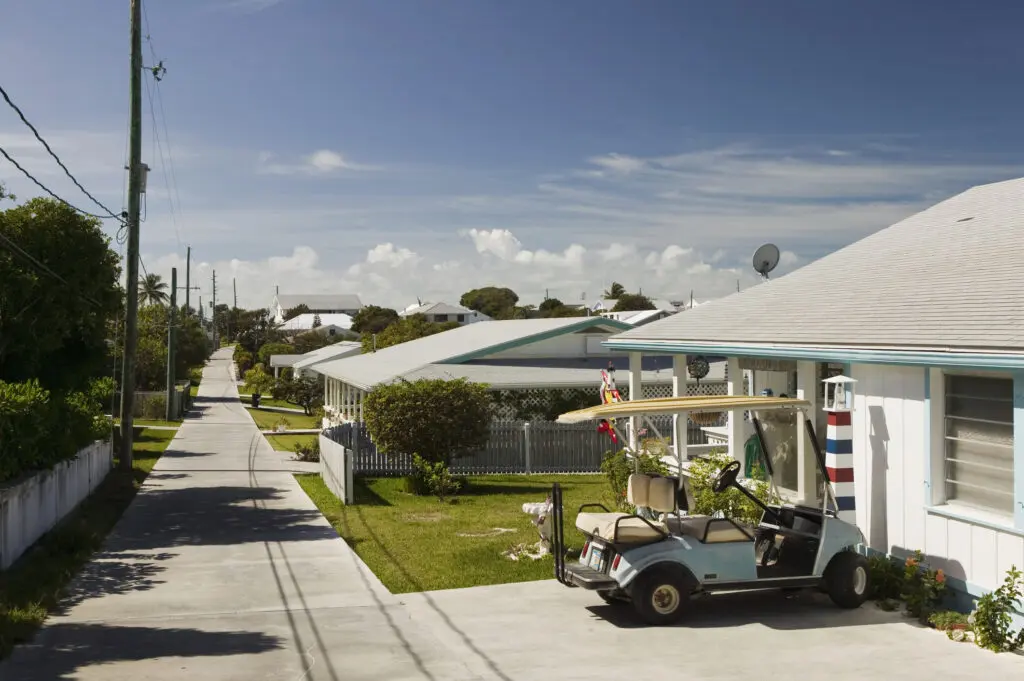
Golf cart owners sometimes assume their existing home, auto or renters’ insurance policy will provide adequate protection after an accident. While these policies may offer limited coverage for golf carts in certain situations, in many cases, relying on them alone could leave significant coverage gaps.
For example, homeowners’ coverage may only apply when a golf cart is operated on the insured property or for certain recreational purposes. Coverage may be limited or unavailable if the cart is driven on public roads, through neighborhoods, in resort communities or in other shared areas where it functions more like transportation. Existing policies also may not account for custom equipment, upgrades or the replacement cost of a newer cart.
Because of these limitations, many golf cart owners choose a dedicated golf cart insurance policy that can be matched more closely to the way the cart is used. A golf cart policy can be especially helpful for families with vacation homes, owners in golf cart communities or anyone who uses a golf cart for routine transportation. Depending on the policy, coverage may include liability protection, physical damage coverage and options for custom equipment.
Is your golf cart protected?
Golf cart insurance needs can vary based on how and where a cart is used, whether it qualifies as a low-speed vehicle (LSV) and what existing home or auto coverage may already apply. Reviewing coverage can help owners identify potential gaps and better understand available insurance options.
Higginbotham works closely with individuals and families to review their personal insurance needs and evaluate coverage options that align with how they live and what they value most. To learn more, connect with a member of our team today.