
An attractive nuisance is typically a man-made feature or condition on a property that may draw children in but poses a safety risk, such as a swimming pool, trampoline or construction area. In some cases, natural features that have been modified or made more hazardous may also qualify.
Because young children may not fully understand the danger, property owners can be held liable for injuries under certain conditions, which may influence how insurance carriers evaluate and price homeowners’ insurance.
Many homeowners do not realize that these types of features can create liability if a child is injured, even if the child was not explicitly invited onto the property. Understanding attractive nuisance laws can help property owners protect children, reduce risk and make more informed decisions about their coverage.
How the Attractive Nuisance Doctrine Works for Homeowners
The attractive nuisance doctrine is a legal principle within premises liability law, not a type of insurance coverage. It establishes that landowners have a special duty of reasonable care towards children who may trespass on their land.
Courts generally evaluate attractive nuisance cases on a case-by-case basis, considering whether:
- The dangerous condition is artificial (i.e., man-made) and likely to attract children
- The condition poses an unreasonable risk of serious injury or death
- The burden of eliminating the danger is slight compared to the risk
- The possessor (typically the homeowner) fails to exercise reasonable care
Taking reasonable care as a homeowner does not mean eliminating all possible risks. Instead, it generally refers to taking practical steps that a reasonable property owner would take under similar circumstances.
It’s important to remember that homeowners could be held liable even if the children involved were not invited onto the property. A child who snuck into a backyard and fell into a pool, for example, could still give rise to an attractive nuisance case.
Laws vary by state, and the Supreme Court addressed this doctrine as early as 1873 in a case involving a railroad company, so homeowners should consult legal counsel if they need specific guidance.
Common Attractive Nuisance Examples Around a Home
Many everyday features can be considered an attractive nuisance when they’re left accessible and unsecured. Homeowners should walk their property with a curious child’s eyes to identify anything that could pose a hazard.
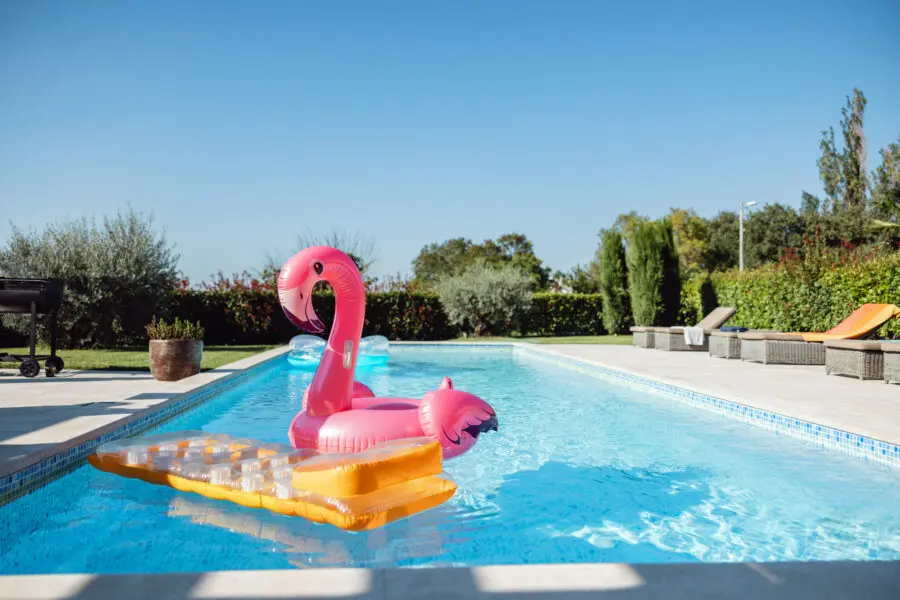
Swimming Pools, Hot Tubs and Other Water Features
Pools, spas and decorative ponds are among the most dangerous – and common – attractive nuisances due to drowning risk. According to the Centers for Disease Control and Prevention, there are roughly 4,000 unintentional drowning deaths in the United States each year, with children at particularly high risk.
Common safety measures include four-sided fences that are at least four feet high, self-latching gates, door alarms and rigid pool covers. Insurance carriers may require specific protections like fences or locking gates, and they may limit coverage for certain features, such as diving boards or pool slides, as a condition of maintaining homeowners’ coverage.
It’s important to note that coverage for a backyard pool will vary depending on your policy terms and pool type. For example, an above-ground pool might be covered as personal property, while an in-ground pool that is considered to be a separate structure might have coverage sublimits.
Playgrounds, Trampolines and Backyard Equipment
Swing sets, tree houses, zip lines and trampolines can create major fall and impact hazards. According to BrainLine, hundreds of thousands of children visit emergency rooms each year for playground-related injuries. Even other backyard features like fire pits could pose a risk.
Risk reduction steps include soft playground cover materials, equipment anchoring, safety nets around trampolines and adult supervision. Insurance carriers may exclude trampoline claims from homeowners’ policies or mandate certain safety features before offering protection.
Construction Projects and Tools
Home improvement projects can quickly turn a yard into an attractive nuisance. Exposed nails, open trenches, unsecured ladders and power tools left plugged in all pose danger. Homeowners should secure perimeters, store tools in locked sheds, unplug equipment and close backyard gates at the end of each workday to help prevent injuries.
Vehicles and Machinery
Parked cars, ATVs, riding mowers, boats and discarded appliances can draw children who want to climb or play driver. Risks include runaway vehicles, suffocation in old refrigerators and crush injuries. Make sure to keep keys locked away, set parking brakes, block access to machinery and promptly remove any abandoned equipment.
Firearms, Hunting Equipment and Weapons
Guns, bows and knives require secure storage due to the potential for catastrophic harm. In addition to teaching children about gun safety, other best practices include storing firearms in a locked safe with ammunition unloaded and stored separately.

Attractive Nuisances and Home Insurance
Homeowners’ insurance is not a substitute for safety, but it may help protect against the financial impact of covered liability claims. Standard policies typically include personal liability coverage for some bodily injury claims, but coverage is subject to limits and exclusions, so it’s important to discuss your coverage terms with your insurance advisor.
Adding features like pools or trampolines may affect eligibility, premiums and terms of coverage. If you’re considering adding or upgrading a feature that might be considered an attractive nuisance, it’s vital to discuss this with your insurance agent to understand how this could impact your insurance coverage.
Steps to Reduce Attractive Nuisance Risk at Home
- Conduct seasonal property walkthroughs to identify hazards from a child’s perspective.
- Create physical barriers, such as fences, locked gates, pool covers and door alarms.
- Establish household rules for supervision around pools and backyard equipment.
- Perform periodic inspections of safety features like gates, locks and alarms to confirm they are working as intended.
- Promptly repair or remove any broken features, appliances or other attractive items.
- Document safety upgrades, repairs and maintenance with photos and receipts.
- Notify your insurance advisor before installing new features.
Evaluating Your Home’s Risks
Managing attractive nuisances involves balancing the fun features of your home with thoughtful risk management and insurance planning. While not all risks can be eliminated, careful planning and consistent safety practices can help reduce exposure and create a safer environment for children.
A knowledgeable personal insurance advisor can also help to inventory potential hazards, understand how insurance carriers view them and explore your coverage options.
Higginbotham works with individuals and families to address liability exposures with customized insurance solutions. To learn more or request a personalized quote, connect with a member of our team today.