
Whether you’re heading out for a weekend getaway or settling in for the night, taking a few proactive measures can help reduce the risk of a break-in. Use this burglary prevention checklist to help create a more secure home.
Lock all entry points.
Don’t give burglars easy access to your home. An unlocked window or door is the simplest method for burglars to gain access to a home.
Always take a few minutes to check that doors and windows are locked before leaving your house, whether it’s for the day, a weekend trip or an extended vacation.
Upgrade to deadbolt locks.
Adding deadbolt locks to your exterior doors can provide added resistance against forced entry. If you’re leaving for an extended period of time, secure all entry points, including deadbolts, and use the garage as your final exit point.
Don’t share travel plans online.
Sharing real-time travel updates on social media could unintentionally signal that your home is unoccupied. To help maintain your home’s security, consider holding off on posts until you return. Limit information about your absence to trusted individuals.
Keep doors a strong line of defense.
Don’t leave your house keys where criminals can easily find them. Keep spare keys in secure, less obvious locations – not under doormats or rocks.
Before leaving, inspect all of your doors and doorframes for signs of wear, and consider reinforcing strike plates for added durability.
Don’t forget the garage and shed.
Expensive tools and equipment stored in garages and sheds are attractive – and oftentimes easy – targets for burglars. Ensure that your garage doors have functioning locks and that your side doors are reinforced. Apply similar security upgrades to shed doors and, if possible, replace any glass with more secure materials.
Reinforce windows and sliding doors.
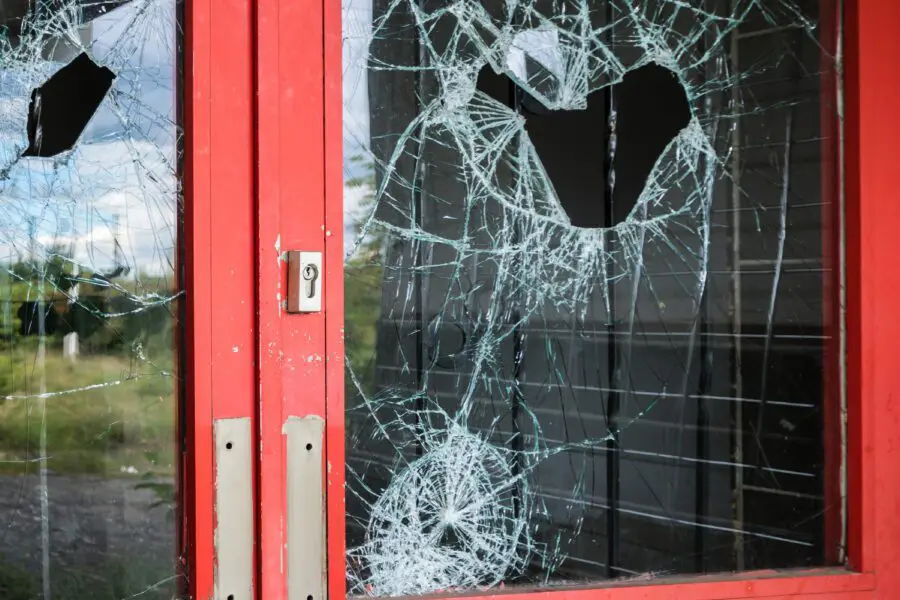
Install sturdy locks on all windows and sliding doors in your home. Special locks and reinforcement may be required if your home has a double-hung window or sliding glass door. For sliding glass doors or windows, security film can be applied to prevent the glass from breaking when struck.
If your home has a basement, make sure to lock and reinforce any basement windows as well.
Use lighting strategically.
Install motion-sensor lights to illuminate possible hiding places or entry points around your property, including garages and sheds. Use low-wattage lights in entry areas and consider setting them on timers to turn on at dusk and off at dawn.
Timed indoor lighting can simulate occupancy, even if you’re away for an extended period of time, and is an easy way to add another layer of defense. Consider staggering timers throughout your home so lamps and other lights come on at different times to mimic everyday routines.
Stop the mail.
Accumulated mail can serve as a signal that you’re away, and leaving packages on your porch for long periods of time can also leave you vulnerable to porch pirates.
Before heading out of town, contact the post office and delivery service providers to stop all mail and package deliveries. You can also ask a trusted neighbor to pick up mail, newspapers or packages that are delivered while you’re away.
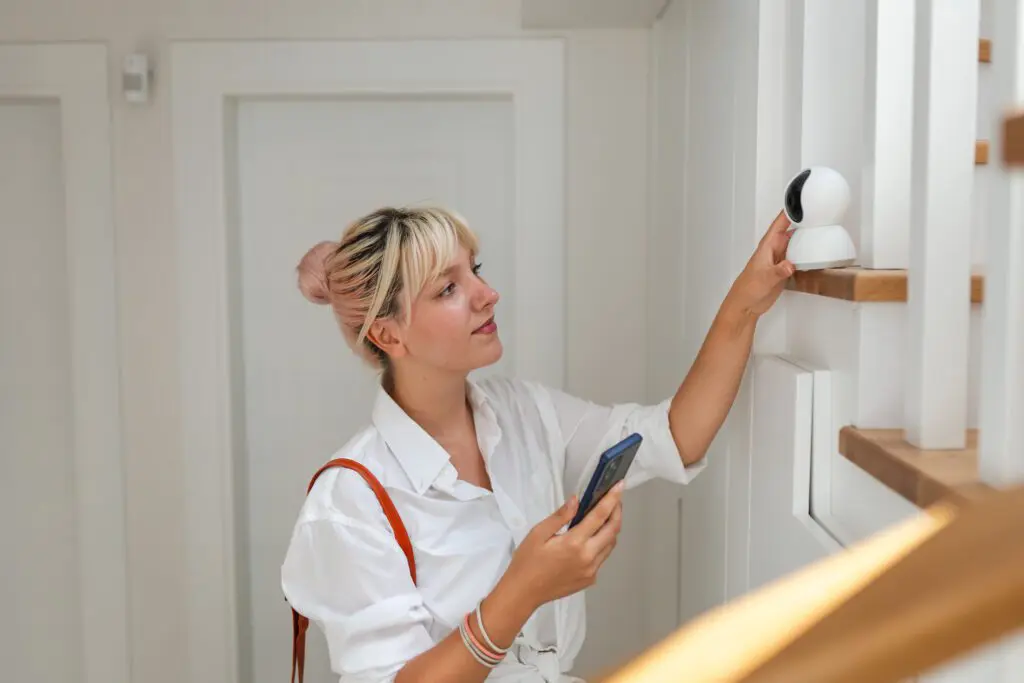
Invest in a security system.
A monitored alarm system can add an extra layer of protection to your home and may also qualify you for a discount on your homeowners’ or renters’ insurance policy.
Maintain your yard.
An unkempt yard can indicate an empty home. If you plan on being away from home for a while, consider scheduling lawn care or seasonal upkeep so your home continues to look lived in.
Create an “at home” appearance.
Hire a pet sitter or ask a trusted friend to care for your pets or water your plants. Have your house sitter open the drapes and blinds during the day – just be sure that expensive electronics and other valuables can’t be seen through the windows from outside.
Join a neighborhood watch.
Participating in a neighborhood watch program can allow you to keep up with and report any suspicious activities in your neighborhood. You can also ask a trusted neighbor to keep an eye on your home and to call the police if something seems off while you’re away.
Protect important items.
Should a thief gain entry into your home, you want your most valuable assets to be protected. As a second line of defense, make sure your computers are password-protected and carefully lock away jewelry, irreplaceable items and essential documents like passports or wills in a secure home safe or a safety deposit box.
Check your insurance coverage.
Don’t forget to verify that your personal insurance coverage is up-to-date and that your homeowners’ policy limits are adequate for any big-ticket items you own, such as electronics, fine jewelry or luxury furnishings. Valuable items like these may require scheduled endorsements. Also, consider creating or updating a home inventory in case of an insurance claim after you return.
Is your home protected?
Home insurance isn’t one-size-fits-all. As your needs change, your coverage should too.
At Higginbotham, we take the time to understand your unique situation, and then offer guidance so your coverage can keep pace. To learn more about how Higginbotham can help you protect what matters most, connect with one of our personal insurance specialists today