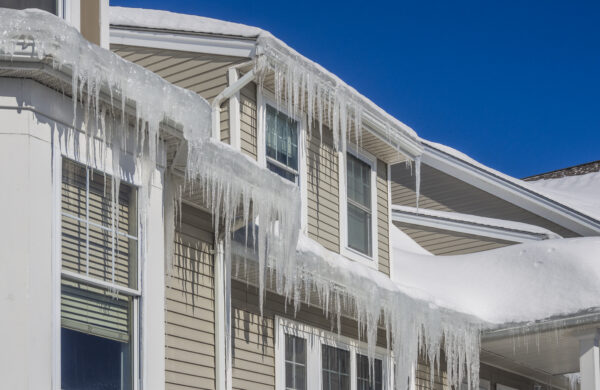

The primary difference between a home warranty and homeowners’ insurance is that a home warranty covers repairs to home systems and appliances, while home insurance protects against property damage and liability.
What is a home warranty?
A home warranty is a service contract that is designed to cover the repair or replacement of household appliances and systems that fail due to normal wear and tear. Unlike homeowners’ insurance, which can protect against unforeseen events, a home warranty focuses on the inevitable breakdowns that may occur as your home ages.
Typical features of a home warranty include:
- Lasts for one year, with the option to renew annually
- Requires homeowners to pay a monthly or annual fee
- Comes with specific coverage limitations, such as a maximum payout for repairs or replacements
- Often goes into effect at closing or within a set waiting period
What does a home warranty cover?
Home warranties can be secured for both new construction and existing homes, focusing on repairing or replacing items that fail due to normal wear and tear. It may include coverage for various appliances and systems, such as:
- Heating system
- Central air conditioning
- Water heater
- Electrical system
- Garbage disposal
- Plumbing
- Major appliances (refrigerator, dishwasher, oven, stove, dryer, etc.)
Exclusions in Home Warranties
While home warranties can offer valuable protection, they do come with exclusions. Common exclusions include:
- Pre-existing conditions (issues that existed before the warranty started)
- Damage resulting from improper maintenance, misuse or neglect
- Appliances or items that were installed improperly
- Structural issues (foundation, walls, etc.)
- Damage caused by acts of nature, such as flooding or hail
- Commercial equipment and residential properties that are used as businesses
What is homeowners’ insurance?
Home insurance can provide protection for both the structure of your home and your personal belongings against unforeseen events. Homeowners’ insurance may also include liability protection, which can help cover costs if a visitor is injured on your property.
Learn More About Homeowners’ Insurance
What does homeowners’ insurance cover?
Homeowners’ insurance generally includes several types of coverage that help protect against financial loss from certain risks. Standard policies often provide:
- Dwelling coverage for damage to your home’s structure
- Other structures coverage for detached buildings like garages or sheds
- Personal property coverage for belongings like furniture, electronics and clothing
- Loss of use coverage for additional living expenses if your home becomes uninhabitable due to a covered event
- Liability protection to help cover legal expenses or damages if someone is injured on your property
- Medical payments to others for minor injuries that occur on your property
These coverages are typically subject to limits, exclusions and deductibles, so it’s important to review your policy carefully and talk with an insurance professional to better understand what’s included.
Home insurance can cover a variety of perils, such as:
- Accidents and vandalism
- Robbery, burglary and theft
- Third-party personal injuries
- Certain acts of nature, such as hail, wind, lightning, ice, snow
Exclusions in Homeowners Insurance Policies
Despite its more comprehensive coverage, like a home warranty, homeowners’ insurance policies do have exclusions. Common exclusions include certain natural disasters like earthquakes and floods, governmental actions, business property and damage from improper maintenance and wear and tear.

Who should consider a home warranty?
Homeowners with older appliances and systems should consider obtaining a home warranty, since they have the potential to benefit from the repair and replacement services a home warranty offers.
Those with high-value appliances may also find home warranties to be useful. The cost of repairing or replacing high-end items can be substantial, and a home warranty could help manage these expenses.
Who needs homeowners’ insurance?
Home insurance is critical for any homeowner, and mortgage lenders typically require borrowers to have coverage to protect their investment. However, even if it’s not mandated, home insurance is a wise choice to protect your home and personal belongings from unforeseen events. Without homeowners’ coverage, you have the potential to face significant financial losses due to property damage or liability claims.
Is your home protected?
Whether you’re considering a home warranty, shopping for homeowners’ insurance or both, it’s important to understand what each one covers and where there may be gaps. If you’re looking for help navigating your home insurance options, Higginbotham is here to help.
Our team can work with you to build a personalized policy that fits your needs and budget. Connect with one of our home insurance specialists today to learn more.