
The holiday season is a time for celebration, togetherness and creating memories. But, it also brings unique safety issues that can increase the risk of accidents and injuries. The U.S. Consumer Product Safety Commission reports thousands of holiday‑related incidents each year.
From travel and gift giving to cooking and decorating, these holiday safety tips can help you protect what matters most while still enjoying the festivities.
Travel Smart
Holiday travel means more cars on the road, often in less‑than‑ideal weather and heavy traffic, so it’s important to plan ahead. Here’s a quick checklist for your vehicle:
- Inspect your car’s brakes, tire pressure, windshield wipers and oil. If necessary, schedule vehicle servicing before your trip.
- Make sure your vehicle is ready for winter conditions and heavy traffic.
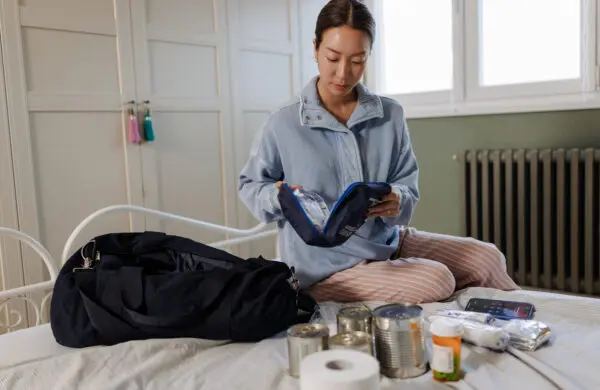
- Pack an emergency kit for your car that includes blankets, water, nonperishable food, a first aid kit, flashlights and extra batteries. Also include ice scrapers, jumper cables and phone chargers.
- Ensure all passengers are properly restrained, which includes seat belts for adults and the correct installation of car seats for children. According to the National Safety Council, the number of auto accidents increases during the holiday period, so proper restraint use is critical.
- If you plan to attend events where alcohol will be served, designate a sober driver or make ridesharing arrangements.
- Monitor weather forecasts and have backup travel plans for severe weather. If conditions become unsafe, it may be wise to postpone travel.
Holiday Fire Prevention
Decorations, flames and increased electrical use can all pose fire risks during the holidays. Stay alert and take steps to reduce danger.
Christmas Trees and Lights
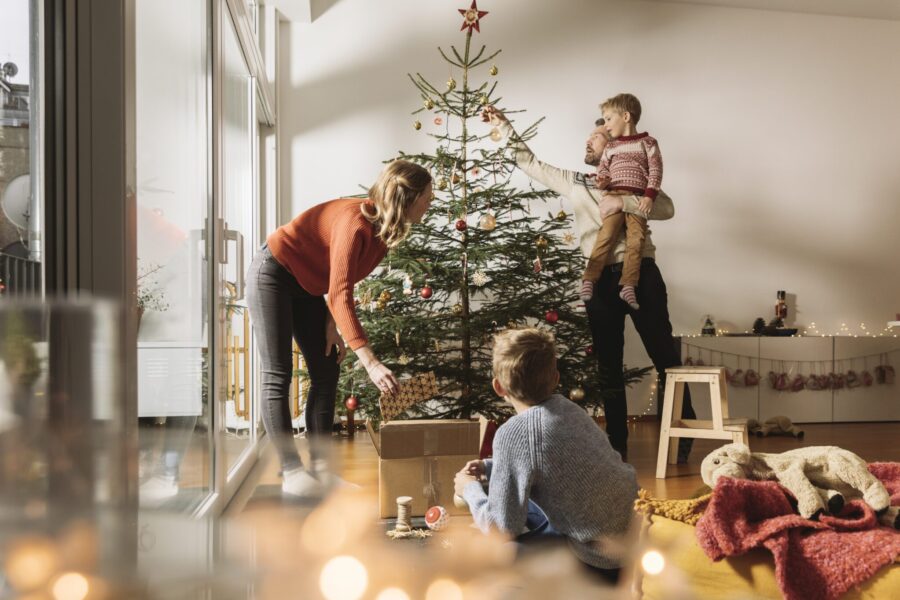
- If you have a live Christmas tree, make sure to cut the trunk properly and establish daily watering requirements to maintain moisture levels. Dry trees ignite faster and pose a greater fire risk.
- Position all trees at least three feet away from heat sources like fireplaces, candles, vents, space heaters or radiators. Ensure the tree does not block escape routes that may be used in an emergency.
- For artificial trees, select fire-resistant models that meet safety standards. If you have a metallic tree, follow all manufacturer setup and safety guidelines and do not use electric lights unless specifically allowed by the manufacturer.
- Follow electrical safety guidelines: avoid plugging too many light strands into a single outlet or power strip (typically, no more than three) and turn lights off when leaving home or going to bed. Unattended lights can pose a significant fire risk.
Candles and Fireplaces
- Consider battery-operated flameless candles if you have children or pets or if you frequently leave rooms unattended.
- If using burning candles, make sure to position them on stable surfaces that are away from curtains, decorations and other flammable materials.
- Never leave a candle unattended, and make sure to extinguish it before leaving the room or going to sleep.
- For fireplaces, make sure to install proper screens and to schedule annual chimney cleanings. Never burn wrapping paper, tree branches or other flammable materials, as these items can burn rapidly and create dangerous flare-ups.
- During holiday gatherings, especially those with children or pets present, consider assigning a responsible adult to monitor open flames and extinguish all candles and fireplaces before bedtime.
Food Safety Tips
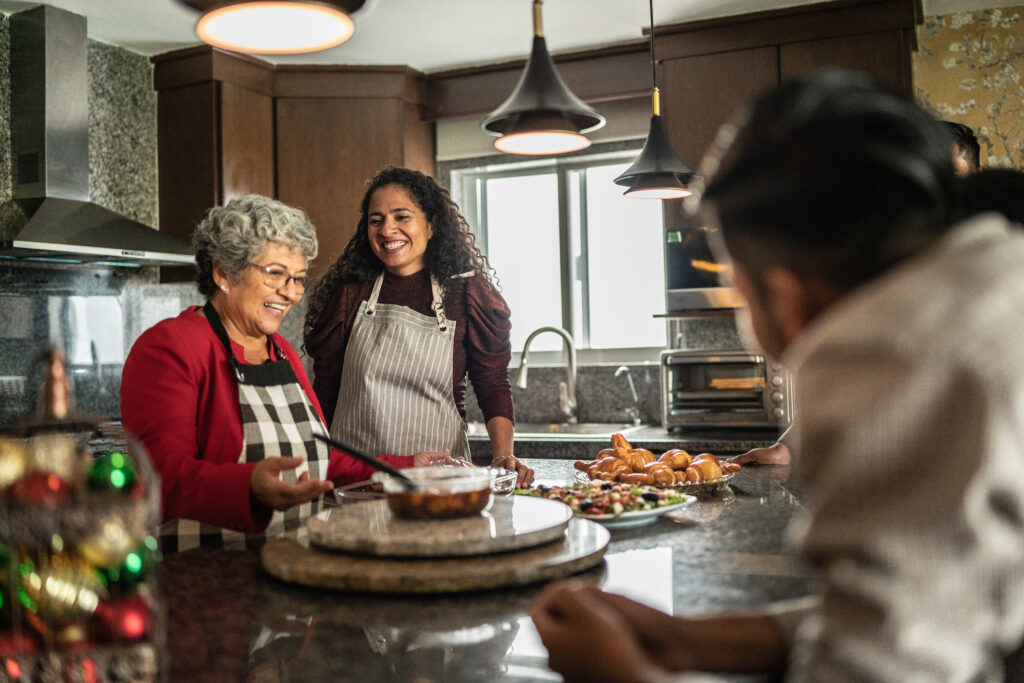
Whether you’re following a family recipe or trying something new, careful preparation and cooking can help to minimize food safety risks for holiday meals. Here are a few tips:
- According to the U.S. Department of Agriculture, you should thaw frozen turkey in the refrigerator for approximately 24 hours for every four to five pounds (for example, thaw a 16-pound turkey for four days). Never thaw turkey at room temperature, as this can promote bacterial growth.
- Cook turkey to an internal temperature of 165°F. Make sure to use a reliable meat thermometer to check the turkey’s internal temperature.
- Use separate cutting boards for raw meats and fresh produce to avoid cross‑contamination.
- Wash hands thoroughly and frequently to help reduce contamination risks. Wash for at least 20 seconds with soap and warm water before handling food, after touching raw meat and between cooking tasks.
- Store leftovers properly. Refrigerate perishable food within two hours of cooking or one hour if the room temperature is above 90°F. Use shallow containers to help food cool quickly.
- Consider alternatives to deep fryers, which can pose significant fire and burn risks, especially for the inexperienced. Opt for grilling or roasting instead.
- Turn pot handles toward the center of the stove to help prevent accidental spills or burns while keeping walkways clear.
Holiday Decoration Safety
Holidays are a time for festive decor, but every ornament, light and ladder poses potential risks. When decorating inside or outside, consider these safety tips.
- Ladder-related injuries spike during the holiday season, so ladder safety is essential. When using a ladder, conduct a stability check before use and work in at least a two-person team (one person holds and stabilizes the ladder while the other climbs). Follow the 1-to-4 rule: position the ladder base one foot away from the wall for every four feet of ladder height.
- Inspect all electrical cords for fraying, damaged insulation or loose connections before use. Replace any damaged cords rather than attempting repairs.
- Any outdoor lights should carry proper ratings for external use and should be kept away from areas where moisture may accumulate.
- Avoid overloading circuits by limiting how many light strands you plug into one outlet. Typically, no more than three light strands should be connected to a single circuit, but this amount may vary depending on the type and wattage.
- Unplug lights and decorations when you leave home or go to bed to help reduce fire risks and energy consumption. Consider using timers to automate this process.
- Be aware of poisonous plants: holly berries, mistletoe berries and certain poinsettias may be toxic to children or pets. Use artificial versions or place them well out of reach.
- Keep small or breakable ornaments and decorations away from pets, infants, toddlers and young children. If an item can fit through a toilet paper tube, it’s too small and poses a choking hazard.
Choosing Safe Gifts and Toys
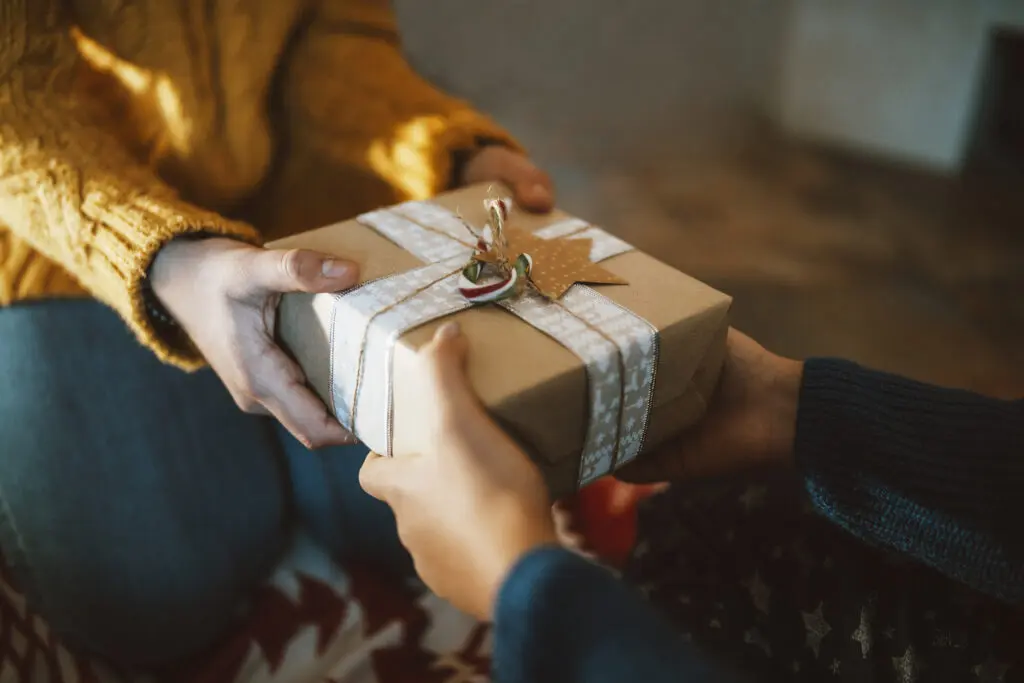
Gift giving is a highlight of the season, but safety matters just as much as the thought behind the gift. Here are a few pointers:
- For children under age three, avoid toys with small parts. Use the toilet‑paper tube test: if a part can fit through the tube, it’s too small and poses a choking hazard.
- Button batteries can be very dangerous if swallowed. Choose toys with secure battery compartments or avoid battery‑operated gifts for very young children.
- If giving a bike, skateboard, scooter or other riding toy, include a properly fitted helmet and appropriate protective gear. Make sure the gear meets current safety standards.
- Verify age labeling and manufacturer safety certifications before purchasing an item. Look for labels that indicate compliance with Consumer Product Safety Commission (CPSC) standards.
- Avoid toys with electrical components for children under 10 years old unless the toy is specifically designed for this age group. Electric toys can pose shock and burn risks that young children may not understand how to avoid.
- Select toys that match the child’s interests and developmental stage. A toy that’s too advanced could frustrate a child and potentially lead to unsafe use, while gifts that are too simple may be used inappropriately.
Health Precautions for Holiday Gatherings
When groups gather for the holidays, illness can spread quickly. A few health‑aware practices can help protect everyone, especially children and vulnerable family members.
- Schedule any vaccination updates, such as yearly flu shots or COVID-19 boosters, ahead of holiday gatherings. Make sure to consult with your health care provider about timing and recommendations for your family.
- Encourage sick family members to stay home. Even mild illness can be serious for older relatives or those with weakened immune systems. Consider offering virtual ways to participate if someone cannot attend in person.
- Place hand sanitizer stations at key spots, including entrances, serving lines and common areas. Easy access supports frequent hand cleaning.
- If dishes are shared potluck‑style, make sure to clearly label ingredients and note any allergens. Communicate with guests about allergies before the event and keep emergency allergy medications accessible during it.
- Encourage safe alcohol use and consider providing non-alcoholic alternatives. Excessive drinking can lead to poor decision-making, increased accident risks and dangerous situations.
Plan Ahead for Holiday Emergencies
This time of the year brings more travel, more guests, more cooking and more electricity use, all of which increase the need for emergency preparedness. Proper planning can help ensure a quick response to an emergency. Here are a few tips:
- Test all smoke alarms and replace batteries before holiday activities begin. This can help ensure early detection of fires that are more likely during the holiday season due to increased cooking, candle usage and electrical demands.
- Practice a fire escape plan with everyone in your home, including guests. When decorating, make sure to keep windows, doors and all escape routes clear and accessible.
- Update emergency contact lists to account for traveling and visiting family members. Make sure everyone knows how to reach emergency services in the areas they’re visiting.
- Check your first aid kit and, if necessary, replace expired or used medications.
- Prepare for power outages with flashlights, extra batteries and backup heating sources. Winter storms can cause prolonged power outages and could leave your home and your loved ones vulnerable without proper preparation.
Stay Protected This Holiday Season
The holidays bring joy, but also introduce seasonal risks that deserve attention. While taking personal safety measures is essential, reviewing your personal insurance coverage can also help you to stay protected during this busy time of year.
Don’t wait until an emergency happens to find out you’re underprepared or underinsured. Connect with one of Higginbotham’s personal insurance specialists to get insurance and risk management assistance that allows you to focus on enjoying the season with confidence, knowing that your home and your loved ones are protected.