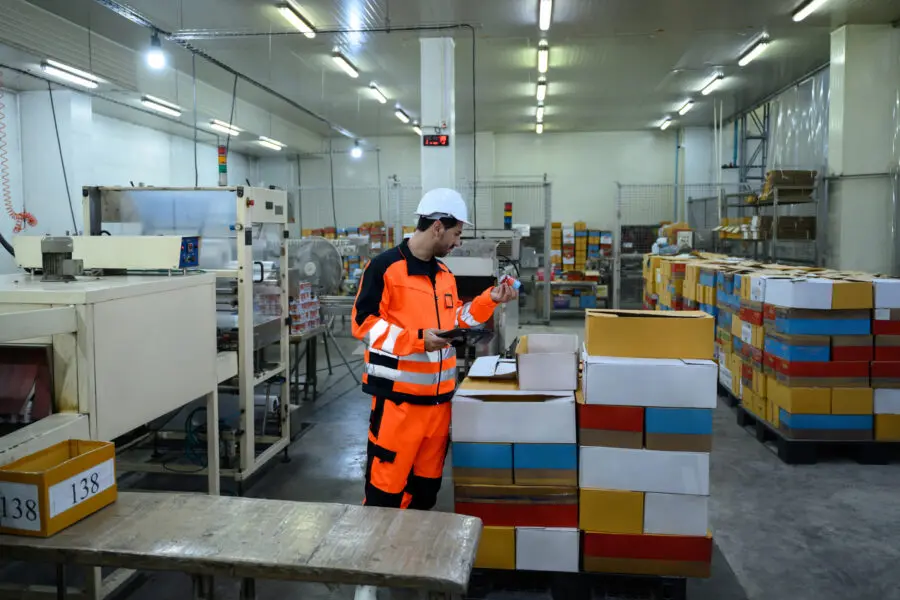

Food and beverage brands that sell in grocery and retail channels operate in a high-stakes environment. Products move quickly through complex supply chains, and co-packers, ingredient suppliers, distributors and retailers are all involved before a product ever reaches a shelf. This means that a single breakdown in quality, labeling or documentation can lead to recalls, lawsuits and lost revenue.
For this reason, having a strong risk management strategy is vital for consumer-packaged goods (CPG) companies. It can connect operations, compliance and financial protection in ways that help brands maintain stability as they scale.
Learn More About Insurance for CPG Companies
What is risk management for consumer packaged goods?
Food and beverage products create a direct link between brands and consumer health. When something goes wrong, the effects often extend beyond monetary losses and disrupt key retailer and customer relationships.
Risk management is the ongoing process of identifying threats that could disrupt your business, measuring their potential impact and putting plans in place to reduce or eliminate them. In the food and beverage space, risk management protects:
- Consumers, by ensuring product safety
- Retail partners, by facilitating dependable deliveries and quality products
- Your brand, by avoiding recalls and regulatory actions
- Your bottom line, by reducing costly disruptions
In today’s market, proactive risk management is a competitive advantage and essential for long-term success.
Product Contamination and Food Safety
In the food and beverage industry, product contamination is more than just a quality issue – it’s also a safety issue. Contaminants like bacteria, foreign materials or allergens can cause illness, regulatory scrutiny and disruptions in retail distribution. For many CPG companies, a contamination event can overshadow years of brand-building in a matter of days.
How to Mitigate Product Contamination Risk
- Build a food safety system. Start with a formal food safety plan that’s based on industry best practices, such as HACCP (Hazard Analysis and Critical Control Point) or FSMA (Food Safety Modernization Act) preventive controls. This system should identify hazards at every stage of production, establish control points and set clear procedures to prevent problems before they occur.
- Integrate routine testing and sanitation. Conduct scheduled microbiological testing of all products, surfaces and process lines. Sanitation procedures should be validated and documented, with cleaning frequencies being based on documented risk and product type. Establish a verification routine to keep all procedures working as intended.
- Strengthen supplier verification. Your suppliers are part of your food safety ecosystem. Require documentation like certificates of analysis, conduct supplier audits where possible and evaluate performance continuously. A weak supplier can introduce risks before your product is ever formulated.
- Train employees consistently. People are your first line of defense. Train employees on hygiene standards, proper handling, contamination prevention and the importance of reporting any anomalies. Reinforce this through routine refreshers to help ensure standards are understood and applied.
- Establish clear escalation procedures. Employees should know how to report potential contamination and who is responsible for investigating it. Timely action could keep a localized issue from spreading across your entire distribution network.
Co-Packing Liability
Co-packing allows CPG brands to scale production without owning their own manufacturing facilities. However, outsourcing production means relying on another company’s quality and safety systems. If a co-packer produces a misformulated, unsafe or mislabeled product, your brand could still face the recalls, legal claims and retailer consequences that come with these mistakes.
How to Mitigate Co-Packing Liability
- Conduct thorough due diligence. Before you sign any contracts, assess all of the co-packer’s safety and quality systems. Their certifications (such as GMP or SQF), regulatory compliance and recall history can all be helpful in assessing their processes. Visit their facilities (if possible), request audit reports and understand how they manage their risks internally. Choosing a co-packer should be a strategic decision that’s backed by data, not just cost.
- Develop detailed written agreements. Contracts must clearly define your quality expectations, performance measures, documentation requirements and roles in a recall scenario. A well-written contract aligns the expectations of all parties and helps reduce ambiguity.
- Secure appropriate insurance and contractual protection. Require that your co-packer carry commercial general liability and product liability insurance with limits that reflect the scale of exposure. Your business may also want to be named as an additional insured on their policy. Review their certificate of insurance periodically with your insurance advisor to confirm that coverage remains active and adequate.
- Maintain regular oversight and communication. A contract cannot guarantee compliance. Plan periodic quality audits, review production reports and maintain open communication with your co-packer. Regular interaction may allow you to spot trends or risks before they become problems.
Labeling and Allergen Errors
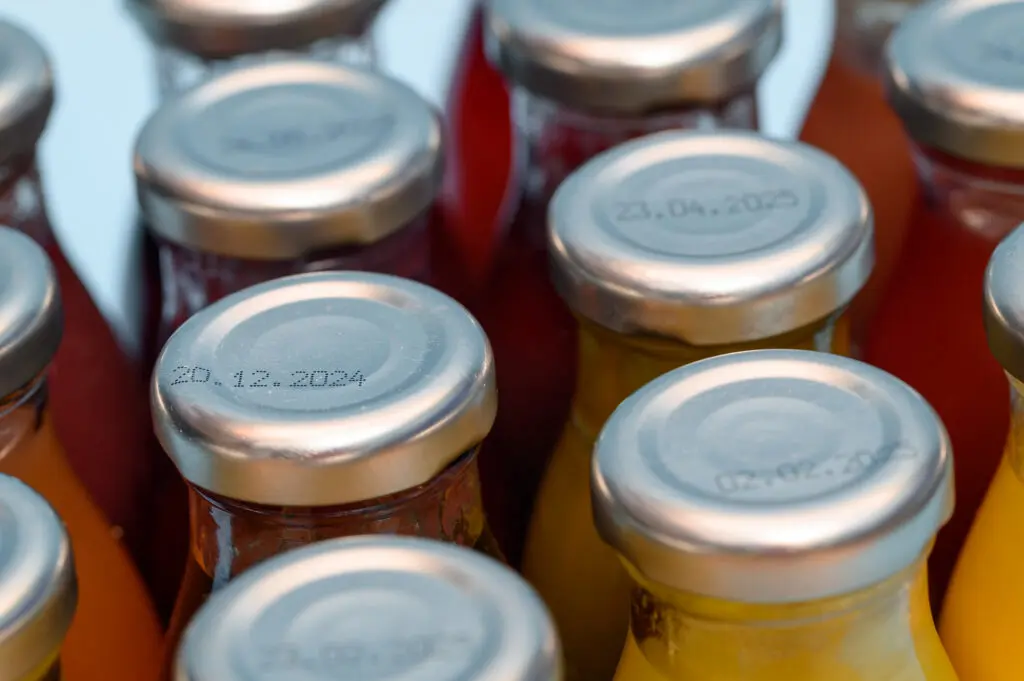
Labeling is one of the most regulated and visible aspects of food and beverage products. Incorrect ingredient lists, missing allergen warnings or outdated nutrition facts panels can force product withdrawals and create major legal and reputational risks.
How to Mitigate Labeling and Allergen Errors
- Implement a rigorous label approval process. Rather than relying on one person, labels should go through structured reviews involving quality, regulatory and legal teams. Every ingredient, allergen declaration and claim should be verified against formulation and regulatory requirements before final approval.
- Centralize label version control. Use a digital system to manage label templates and files. This helps to prevent outdated or incorrect artwork from mistakenly being used in production. Each revision should be logged, dated and linked to the responsible approver. When changes occur, old versions should be archived and made inaccessible to prevent accidental reuse.
- Link labeling with product development. Updates to labels should be triggered by formulation changes, packaging transitions or ingredient substitutions. Quality, regulatory and product teams should communicate early and help support label updates that are timely, compliant and aligned with the product’s actual formulation.
- Provide ongoing allergen control education. Train staff on how allergens are defined by FDA regulations, how cross-contact occurs and key cleaning and verification steps to prevent accidental inclusion. Understanding allergen risk at the operator level can reduce errors upstream.
Supply Chain Disruption
Supply chains for food and beverage products span regions, suppliers and transportation networks, so disruptions can delay production, increase costs and create empty space on retail shelves.
How to Mitigate Supply Chain Disruption
- Diversify your supplier base. Relying on a single supplier for your materials, ingredients and other supplies exposes you to more concentrated risk. Identify secondary sources that meet your quality and cost standards. Having alternate suppliers ready reduces vulnerability when unexpected supply chain events occur.
- Maintain strategic inventory levels. Establish safety stock policies for critical ingredients based on lead times and risk tolerance. While carrying extra inventory isn’t cheap, the cost of a production shutdown or empty retail shelves is much higher.
- Invest in monitoring and analytics. Consider using technology that provides real-time visibility into shipments and supplier performance. Early warnings about delays or shortages can help you to act quickly before problems escalate.
- Develop contingency plans. Scenario planning empowers your team to be ready for common disruptions. Whether it’s transportation shutdowns or raw material shortages, having documented plans can help to reduce decision lag during crises.
Regulatory Compliance
Food and beverage CPG companies must comply with federal and state regulations related to safety, labeling, sanitation, traceability and recordkeeping. Failure to meet these requirements can lead to fines, warnings and operational disruption.
How to Mitigate Regulatory Compliance Risk
- Stay current with regulatory changes. Regulatory landscapes evolve. Assign staff to monitor FDA updates, state requirements and industry alerts. Consider participating in trade associations that share compliance insights.
- Document all processes and records. From test results to training records to corrective actions, clear evidence is what regulators rely on during reviews. Digital systems can make recordkeeping consistent, searchable and ready if an audit occurs.
- Automate compliance controls where possible. Technology can help enforce traceability, track ingredient changes and generate reports for audits. Automation can reduce reliance on manual data entry and minimize human error.
Product Recalls
Recalls can result from contamination, labeling errors, formulation issues, packaging defects or other issues. A recall can place heavy financial and operational strain on a business and requires close coordination with retailers and regulators.
How to Mitigate Product Recall Risk
- Create a written recall response plan. A recall plan should clearly define who is responsible, how information flows and how the affected product is removed from the market. It should be a living document that is reviewed at least once a year.
- Test recall procedures with drills. A plan that isn’t practiced is a plan that won’t work under pressure. Conduct simulated recalls to evaluate speed, accuracy and coordination. Debriefs after drills can highlight areas for improvement.
- Communicate with transparency. When a recall happens, provide clear, accurate information to grocery partners, regulators and consumers. Transparency helps to build trust and may reduce reputational backlash.
Cybersecurity and Data Protection
CPG companies often rely on digital systems to manage raw materials, product inventory and customer data. Cyber incidents can disrupt daily operations and create financial and regulatory exposures.
How to Mitigate Cybersecurity Risk
- Implement secure access controls. Use multi-factor authentication and strict user permissions so that only authorized personnel can access any critical systems. Regularly review access logs and make sure to deactivate accounts when roles change or employees leave the company.
- Back up data frequently. Regular backups can allow systems to be restored more easily after a cyber incident. Backups should be stored in secure, separate environments that are not directly connected to daily operational networks.
- Train employees on cyber awareness. Human error is a leading cause of data breaches. Educate staff on how to identify phishing attempts, handle suspicious emails and follow password best practices.
- Work with cybersecurity specialists. Consider partnering with experienced IT professionals who can conduct vulnerability assessments, recommend protections and respond to cyber incidents quickly.

Product Liability and Consumer Injury
Even with strong safety and quality programs, consumer injury claims can occur. These incidents may lead to lawsuits, legal defense costs, settlements and reputational harm to your company.
How to Mitigate Product Liability Risk
- Carry appropriate product liability insurance. Work with your insurance advisor to secure coverage limits that reflect sales volume, distribution reach and product complexity. Evaluate your exposures annually to ensure that your insurance coverage keeps pace with your company’s growth.
- Respond quickly to complaints. Consumer complaints can provide early warnings of potential defects, so it’s good to establish processes to track, investigate and resolve complaints. An early response could prevent a complaint from escalating to a lawsuit.
- Communicate warnings clearly. Labels should include appropriate usage instructions and safety warnings where needed. Clear communication helps set consumer expectations and reduces liability.
The Bottom Line
Effective risk management for CPG companies helps protect consumers, retail partners and your business. The right risk management strategies can allow food and beverage brands to effectively manage operational, regulatory and financial risks as they grow.
At Higginbotham, we work with food and beverage CPG companies to help identify key risks, align practical mitigation strategies and structure insurance programs that support long-term performance. If you would like to review your current risk profile or explore potential coverage gaps, connect with a CPG insurance specialist today.