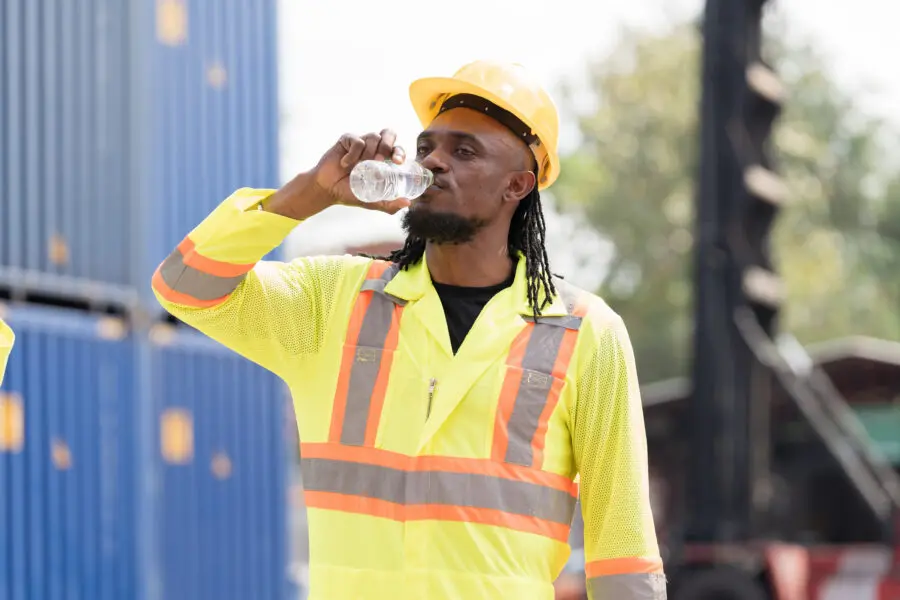

Workers who spend time outdoors could be exposed to prolonged sunlight, heat and ultraviolet (UV) radiation. According to the Mayo Clinic, repeated UV exposure can increase the risk of sunburn, heat-related illness and long-term skin damage.
For business owners and managers, supporting sun safety may help reduce workplace risks, support employee well-being and reinforce a culture of safety. Outdoor workers can also benefit from understanding practical ways to protect themselves during the workday.
What is UV radiation?
Ultraviolet (UV) radiation is a form of energy produced by the sun. While sunlight supports many natural processes, prolonged or repeated exposure to UV radiation could harm the skin and eyes over time. And, UV exposure doesn’t only happen on bright, sunny days; workers may also be exposed on cloudy, overcast days since UV rays can pass through clouds.
Outdoor workers experience higher UV exposure because their jobs require extended time outside. UV radiation may reflect off surfaces like water, concrete, glass, metal and sand, further increasing exposure in some work environments.
Even very short periods spent working outside can add up over time. A few minutes here and there may not seem like much, but repeated daily sun exposure during the workday can gradually increase an individual’s risk for issues like skin damage or skin cancer, especially during hot summer months or in areas with strong, consistent sunlight.
Dangers and Health Effects of UV Radiation
The level of risk associated with UV-related ailments can vary based on weather conditions, duration of exposure, work location and personal health factors. Awareness of potential hazards is important for both managers and outdoor workers.
Potential effects of UV radiation and prolonged sun exposure include:
- Sunburn: Repeated or severe sunburns may damage the skin and increase future health risks.
- Premature Aging: Long-term exposure may contribute to wrinkles, dark spots and changes in skin texture.
- Eye Damage: UV exposure may increase the risk of eye irritation and certain long-term eye conditions, particularly if workers are not using proper eye protection.
- Heat-Related Illness: Outdoor work in hot conditions can increase the likelihood of heat exhaustion or heat stress, especially during periods of high temperatures.
- Skin Cancer Risk: Long-term UV exposure may increase the risk of skin cancer.
Workers and supervisors should pay special attention to the warning signs of heat-related illness, which include dizziness, headache, confusion, nausea, heavy sweating and unusual fatigue. Prompt action and appropriate medical attention may be necessary if symptoms worsen.
Who is at risk?
Certain occupations and job types face a higher risk of heat-related illness due to the nature of their work. Jobs that involve prolonged outdoor exposure, physically demanding tasks or limited access to shade and cooling opportunities may require added precautions.
Industries and occupations that may face increased UV exposure include:
- Construction and roofing workers
- Landscaping and lawn care professionals
- Agriculture and farming workers
- Utility, telecommunications and public works employees
- Oil and gas field workers
- Transportation, logistics and delivery personnel
- Parks, recreation and outdoor event staff
- First responders and field-based service technicians
Geography, season and job duties can also affect exposure. Workers in warmer climates or those spending extended hours outdoors during summer months may face additional concerns.

Sun Safety Tips for Outdoor Workers
A few practical habits during the workday may help reduce exposure to sunlight, UV radiation and heat-related risks. Both employers and workers can benefit from encouraging consistent UV safety practices on the job.
Consider the following sun safety practices:
- Wear protective clothing. Lightweight, breathable long-sleeved tops, long pants and wide-brim hats can reduce direct skin exposure while maintaining comfort in the heat.
- Use sunscreen. Broad-spectrum sunscreen with an appropriate sun protection factor (SPF) can help reduce UV exposure when applied according to product directions. Workers may benefit from reapplying sunscreen during long shifts or after sweating.
- Wear UV-protective eyewear. Safety glasses or sunglasses that are designed to block UV rays could reduce eye exposure while maintaining visibility.
- Seek shade when possible. Taking breaks in shaded areas or covered workspaces helps reduce direct sun exposure.
- Stay hydrated. Drinking water consistently throughout the day helps to support safe body temperature regulation and reduce heat-related risks.
- Monitor weather conditions. Heat advisories, UV index forecasts and changing weather patterns should be monitored by business leaders, with work schedules being adjusted if necessary.
- Schedule tasks strategically when possible. Employers may consider shifting employee schedules to reduce prolonged outdoor activity during peak afternoon heat.
- Watch for signs of heat stress. Workers should be encouraged to recognize symptoms in themselves and coworkers and to report concerns early.
- Take regular breaks. Planned rest periods may help reduce physical strain and support recovery during hot conditions.
Consistency matters. Even small protective actions repeated daily could reduce long-term health risks.
How Employers Can Support Sun Safety
When employees spend much of the workday outside, a little planning can go a long way. Providing training, proactively planning schedules and making safety resources available may help workers to better manage UV and heat exposure on the job.
Practical steps employers may consider include:
- Provide sun safety training. Regular education can help workers recognize UV and heat-related risks, understand prevention practices and identify warning signs of illness.
- Offer access to protective equipment. Employers may consider supplying or encouraging the use of items like wide-brim hats, cooling gear, UV-protective eyewear or high-visibility clothing that’s designed for hot climates.
- Encourage hydration practices. Providing easy access to drinking water and reinforcing hydration reminders can help support worker well-being.
- Create shaded or cooled rest areas. Temporary shade structures, air-conditioned vehicles or indoor cooling spaces can reduce heat and sun exposure during breaks.
- Adjust work schedules when feasible. Flexible scheduling or task rotation may help limit prolonged exposure during peak heat and UV periods.
- Establish reporting procedures. Workers should know how to report symptoms of heat-related illness and when to seek medical attention.
- Promote a safety-focused culture. Supervisors who reinforce protective behaviors and model safe practices may encourage stronger participation among teams.
Employers may also benefit from reviewing their workplace safety programs regularly to identify opportunities for improvement based on seasonal conditions, job site changes or workforce needs.
Creating Safer Outdoor Work Conditions
For outdoor workers, time in the sun is part of the job, but consistent safety habits can still make a big difference over time. Hydration, protective gear, training and scheduling considerations are just a few practical workplace measures that can support safer conditions for outdoor teams.
If your business employs outdoor workers, Higginbotham can help you develop business insurance and risk management strategies that are designed to support workplace safety and day-to-day operational efficiency. Connect with a member of our team today to learn more.