
Earthquakes can strike without warning, so taking proactive steps can help to reduce risk and improve safety outcomes for homeowners. Whether you live in an area prone to seismic activity or want to be prepared just in case, knowing how to protect your home and your loved ones is essential.
Earthquake Preparedness: Start With a Plan
Build an Earthquake Kit
According to guidance from the American Red Cross, having a survival kit is essential for being prepared for any emergency, including earthquakes. Having multiple kits that are tailored for different needs can be even better to help ensure you’re ready for any event. These kits might include:
- Go Kit: Designed for immediate evacuation, this portable kit should include a change of clothes, essential medications, bottled water, shelf-stable snacks, a flashlight, batteries, a whistle, personal identification and copies of your insurance policies.
- Home Kit: If it’s safer to remain in your home, this larger kit should support all household members (including pets) for at least 72 hours. Include several gallons of water per person, non-perishable food, personal hygiene products, blankets, a manual can opener, extra batteries and a basic tool set.
- Bed Kit: Earthquakes can occur at any time, even while you’re sleeping. Keep sturdy shoes, a flashlight, a whistle and a jacket next to your bed in case you need to move quickly in the dark or over debris.
Each kit should be checked regularly and updated with fresh supplies and current insurance and contact information.
Identify Safe Zones and Secure Household Items
Take a walk through your home and identify areas that could serve as safe shelters during an earthquake, such as under sturdy furniture like heavy tables or against interior walls that are away from windows, mirrors or shelves. Additionally, consider:
- Anchoring bookshelves, TVs and heavy appliances to walls
- Securing water heaters and gas appliances with strapping kits
- Avoid hanging heavy artwork or mirrors above beds or sofas
Practice “Drop, Cover and Hold On”
Familiarize your household with this simple but effective earthquake safety response:
- Drop to your hands and knees.
- Cover your head and neck with one arm and hand. Crawl underneath sturdy furniture or next to an interior wall.
- Hold on to the furniture with your other arm or hold on to your neck and head with both arms and hands.
Practice this drill regularly, especially if your household includes children or individuals with mobility challenges.
Establish a Family Communication Plan
An emergency communication plan is vital in the event of separation or cellular network disruptions. Copies of your plan should be stored in each emergency kit, and your plan should include:
- A local emergency contact and an out-of-state emergency contact
- A predetermined meeting location outside of your home
- A shared list of emergency phone numbers
Text messaging is often more reliable than voice calls in the aftermath of a disaster, so include instructions for how to check in via text.
Review Your Insurance Coverage
Many standard homeowners’ policies exclude earthquake damage. For residents in earthquake-prone areas or near fault lines, it may be advisable to consider securing separate earthquake insurance coverage to help cover quake-related repair or rebuilding costs.
When evaluating your coverage:
- Review your dwelling and personal property limits to see if they reflect the current replacement cost of your home and its contents.
- Understand the deductible structure for earthquake policies, which is often calculated as a percentage of the insured value.
- Confirm that additional living expenses (ALE) coverage is included in your earthquake policy in the event that you need temporary housing.
If you are unsure whether your existing policy provides adequate protection, consider speaking with an insurance professional at Higginbotham who can help assess your exposures and explore appropriate coverage options.
After the Earthquake
After an earthquake, wait for local authorities to declare your neighborhood safe before reentering your home. Once you’re able to return to your home, the following steps may be helpful.
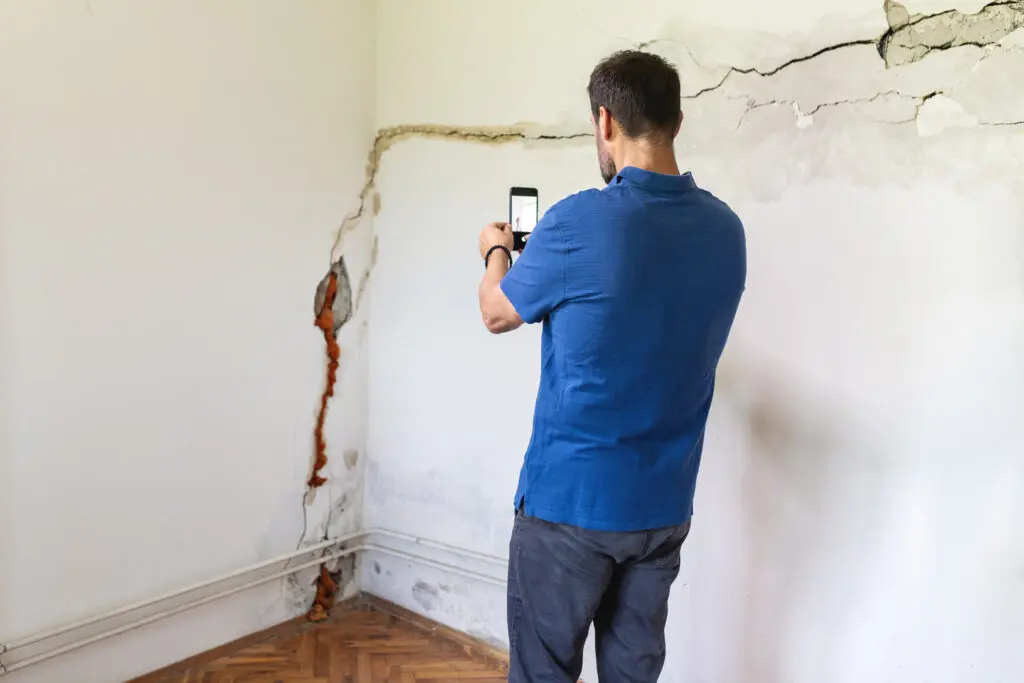
- Assess damage. Upon entering your home, evaluate your property for structural damage and make temporary repairs as needed in order to secure the space.
- Notify your insurance carrier. Promptly contact your insurance provider to begin the claims process. Document damage with photos or videos and keep records of any repair expenses.
- Explore financial assistance. Depending on the extent of the damage and your personal situation, you may be eligible to receive financial support from the government or nonprofit organizations to assist with recovery costs. Potential resources include the Federal Emergency Management Agency (FEMA), American Red Cross, Federal Disaster Assistance and state agencies.
- Reconnect with others. Emotional recovery can be just as important as physical rebuilding. Reconnect with your family, friends, neighbors and other community members.
- Stay informed. Monitor local news and safety advisories for updates and guidance.
- Rebuild with professional guidance. Work with licensed professionals when making repairs to your home. Local building codes may have changed, particularly if your home is older, and qualified contractors can help to ensure repairs are made in compliance with the latest regulations and standards.
- Manage stress. It’s important to recognize that long-term rebuilding and recovery can be stressful. Seek support from family, friends or professionals as needed.
Is your home protected?
At Higginbotham, we help individuals and families protect what matters most through personal insurance solutions. If you’re unsure that your current homeowners’ policy provides adequate earthquake protection or if you’re considering purchasing separate earthquake coverage, our team is here to help.
Connect with one of our personal insurance specialists to review your current coverage and explore insurance options that are tailored to your needs and budget.