
Without the right preparation, a day on the water can quickly become dangerous. To help keep yourself and your passengers protected, boating safety should begin before you even leave the dock with planning, equipment checks, awareness of local rules and more.
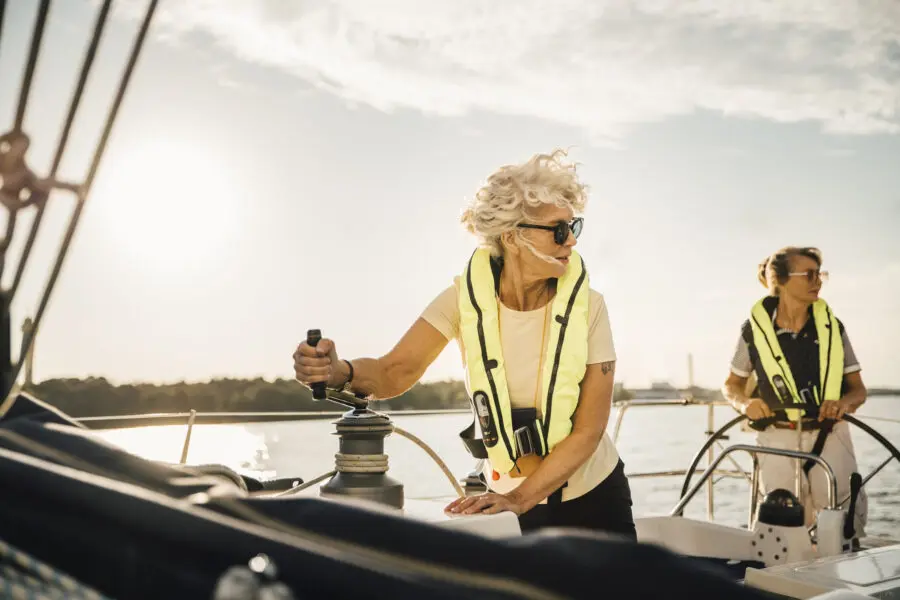
Wearing the Right Life Jacket
U.S. Coast Guard statistics show that drowning is the cause of 79 percent of fatal boating accidents, and 86 percent of those victims were not wearing a life jacket at the time.
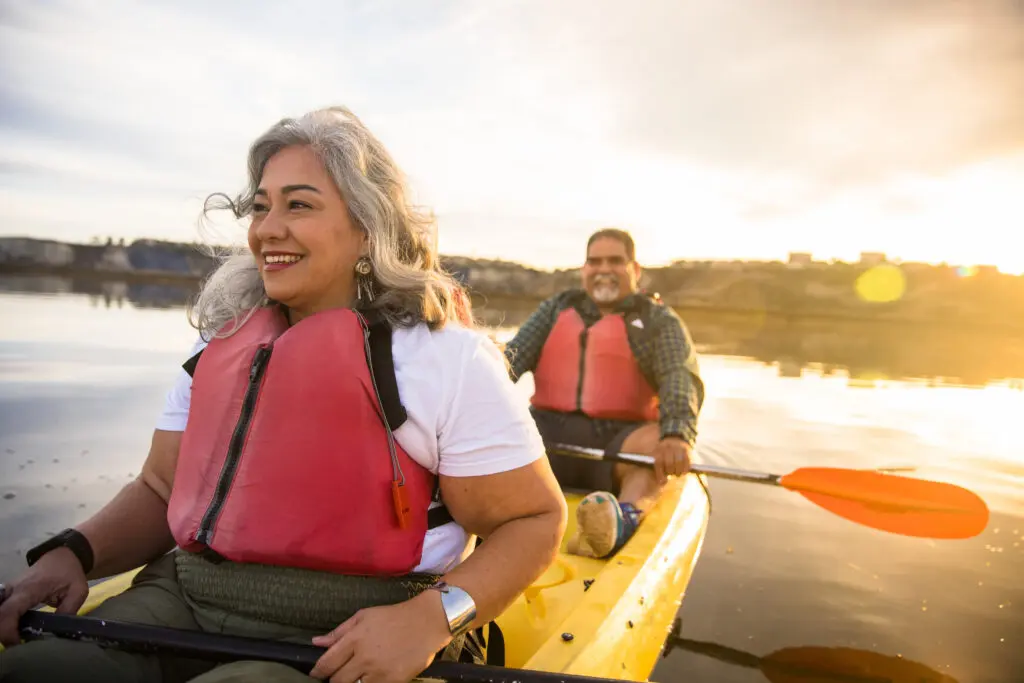
There is an important difference between having life jackets stored somewhere on board and having everyone wear one when the boat is on the water. A personal flotation device (PFD) cannot help if it is tucked away in a storage compartment when a person falls overboard.
When selecting life jackets, look for Coast Guard-approved models. The U.S. Coast Guard rates PFDs by type:
- Type I: Offshore life jackets designed for use in open, rough or remote waters
- Type II: Nearshore vests suitable for calm, inland waters
- Type III: Flotation aids for water sports and activities where rescue is expected quickly
- Type IV: Throwable devices designed to be thrown to assist a person in the water by supplementing buoyancy
- Type V: Special-use devices like inflatable vests, which must be worn to count toward requirements
Children’s life jackets must be sized and labeled for their weight range. A jacket that is too large can slip off, and one that is too small will not provide adequate buoyancy in the water.
Keep life jackets in good condition by checking for rips, broken buckles or waterlogged foam each time you use your vessel. Store them in a dry, accessible location so they can be grabbed quickly in an emergency. Life jackets are especially important in cold water, rough conditions or during towing activities.
Know the Rules: Education, Licenses and Local Laws
State requirements for operating a boat can vary widely, but many states require boaters born after a specific date (for example, in Texas, September 1, 1993) to complete an approved boating safety course before operating a vessel. Other states require all operators to carry proof of completion. A state-approved safety course typically covers information like navigation rules, right-of-way procedures, required safety equipment, signaling and local speed limits.
Some key “rules of the road” that all boat operators should understand include:
- Keep a 360-degree watch at all times.
- Obey no-wake zones and posted speed limits, especially near marinas and docks.
- Respect marked swim areas, restricted channels and waters that are designated for swimmers.
- Understand stand-on and give-way responsibilities based on vessel type and position.
Operators should also know age limits for operating powerboats, jet skis and other personal watercraft in their state, passenger capacity limits and state life jacket requirements.
Plan Ahead: Float Plans, Weather and Pre-Departure Checks
Preparation before leaving the dock can significantly reduce the chance of an emergency on the water. Just a few minutes of planning can make a major difference if something goes wrong.
Make a Float Plan
A simple float plan shared with a trusted family member or friend can be a lifeline. Make sure to include:
- Vessel description and registration number
- A recent photo of your vessel
- Departure location and planned route
- Names, cell phone numbers and any special medical needs of all passengers
- Expected return time
If you do not return on schedule, your contact can alert authorities and provide details to help search and rescue teams locate you quickly.
Check Weather Conditions
Review the latest marine weather forecast before heading out. Look for information on wind speed, wave height, visibility and storm potential. Continue to monitor conditions throughout the day, as weather on the water can change rapidly.
Avoid outings when forecasts predict strong winds or thunderstorms, as sudden squalls can quickly capsize smaller vessels.
Complete a Pre-Departure Checklist
Before leaving the dock, make sure to verify the following:
- Fuel level is adequate for your trip, plus a reserve.
- Navigation lights are functional.
- The horn or whistle works properly.
- The fire extinguisher gauge is in the green zone.
- An anchor and sufficient line are on board.
- A throwable flotation device is accessible.
- A cell phone and a marine radio are charged.
- The bilge is dry, and the pump is operational.
When boating on coastal waters or unfamiliar lakes, review tide tables and local hazards like sandbars, submerged stumps or rock formations.
Operate Sober and Alert
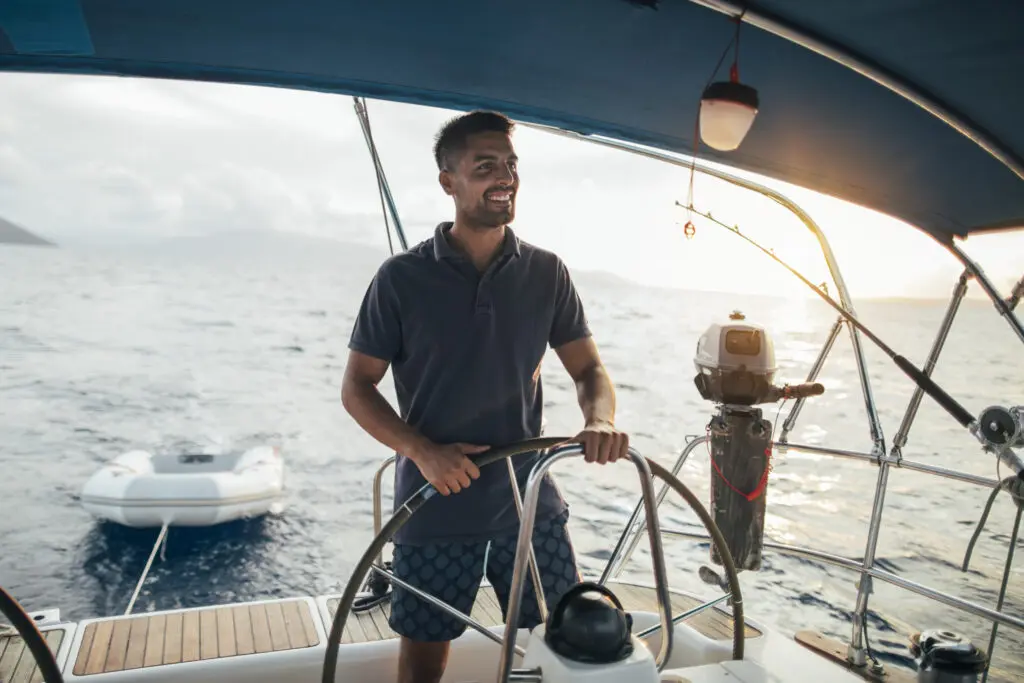
Operating a boat while impaired is illegal and significantly increases the risk of a collision, fall overboard or other accident, so it is vital to have a designated sober operator for the entire outing.
The effects of alcohol are amplified when on the water. Sun, heat, engine vibrations and the motion of waves can intensify impairment and lead to what safety professionals call “boater fatigue,” which may be worsened under the influence of alcohol. Even a sober person who feels fine on shore may become impaired after a few hours on a boat.
To avoid alcohol-related incidents:
- Designate a sober operator for the entire day.
- Save alcoholic beverages until the boat is secured at the dock or on the trailer.
- Recognize that passengers who have been drinking are also at higher risk for falls and injuries.
Maintain a Safe Speed
Reduce speed in crowded areas, narrow channels, low-visibility conditions and no-wake zones. Maintain a continuous lookout for other boats, kayaks, paddleboards and floating debris. Also, maintain sufficient distance from other boats and objects to allow adequate reaction time if something unexpected happens. Operators should avoid distractions at the helm; when operating a vessel, put down your cell phone and stay aware of your surroundings at all times.
Equip Your Boat for Emergencies
Required and Recommended Safety Equipment
Equipment requirements vary depending on boat size, but at a minimum, all vessels, including canoes and kayaks, must have at least one Coast Guard-approved personal flotation device for each person on board. Other required or recommended safety equipment includes:
- Visual distress signals (VDS): Flares, flags or lights (specific requirements vary by vessel size and operating area)
- Sound-producing device: Whistle, horn or bell for signaling
- Throwable flotation device: Required on boats 16 feet or longer
- Fire extinguisher: Marine-rated, properly charged and accessible
- First aid kit: Bandages, antiseptics, medications and basic medical supplies
- Navigation lights: Typically required for operation between sunset and sunrise
Communication Tools and Helpful Gear
A fully charged cell phone in a waterproof case provides a way to call for help in case of an emergency. For larger boats or coastal cruising, a VHF marine radio connected to GPS can offer more reliable communication. Additionally, registering for a Maritime Mobile Service Identity (MMSI) number can allow rescuers to pinpoint your location if you issue a distress call.
In certain cases, additional gear may be helpful.
- Basic tool kit and spare fuses
- Extra dock lines and an anchor
- Flashlight with spare batteries
- Bilge pump or manual bailer
- A knife for cutting tangled lines
Carbon Monoxide Awareness
Enclosed or cabin boats should be equipped with a carbon monoxide detector. Carbon monoxide is colorless and odorless, and symptoms of poisoning, such as headaches, dizziness and nausea, can mimic those of seasickness. Keep engine compartments well-ventilated and avoid swimming or lingering near exhaust outlets at the stern.
Practice Safe Behavior Onboard and in the Water
To maintain stable footing and avoid common hazards:
- Keep decks clear of loose gear, lines, coolers and other objects that could cause trips.
- Wear secure, non-skid footwear and move carefully while the boat is on the water.
- Stay seated in designated areas and avoid riding on gunwales, bow rails or swim platforms while the boat is underway.
- Keep engines off whenever someone is in the water near the boat.
Additional precautions apply when using personal watercraft or towing participants for water sports:
- Maintain safe distances from other watercraft and swimmers.
- Avoid making sharp turns at high speeds.
- Use a dedicated observer in addition to the operator when towing.
- Utilize agreed-upon hand signals for communication.
- Tow only during daylight hours and keep tow ropes clear of the propeller.
All passengers should understand basic emergency procedures, including proper life jacket use, where fire extinguishers are located and how to call for help if the boat operator is unable to respond.
Check the Condition of Your Boat Regularly
Before each outing, you should:
- Inspect fuel lines and tanks for leaks or damage.
- Check batteries and electrical connections for corrosion.
- Test steering and throttle controls.
- Verify that the bilge is dry and the pump functions properly.
Seasonal and Annual Maintenance
Follow the manufacturer’s service schedule for:
- Engine oil and filter changes
- Cooling system inspection
- Impeller replacement
- Lower unit service and gear oil changes
- Belt and hose inspections
After winter storage or severe weather, make sure to inspect the hull, transom, cleats and ladders for cracks, loose hardware or other damage.
Professional Inspections
Periodic inspections by professional marine service technicians can identify hidden problems that may not be obvious during a visual check and give you greater peace of mind while on the water.
If your boat capsizes, runs aground or strikes an object, it’s vital to have it inspected professionally before using it again.
How Insurance Fits into Your Boating Safety Plan
The right insurance coverage can help to reduce the financial impact of unexpected events and protect your family from unexpected costs. Recreational watercraft policies may offer protection for:
- Physical damage to the boat from collisions, storms or sinking
- Liability for injuries or property damage to others
- Medical payments for passengers injured on your vessel
- Coverage for trailers, motors and certain electronics
Coverage details can differ based on vessel type, horsepower, where the boat is operated and how it is stored.
It’s worth reviewing how your boat coverage aligns with your homeowners’ or other personal insurance policies. Understanding gaps, deductibles and limits before an incident occurs can help prevent surprises when you need to file a claim.
Safer Days on the Water with Higginbotham
Whether you use your boat for weekend freshwater fishing, family outings on the lake or seasonal coastal cruising, Higginbotham can help you understand your coverage needs and explore policy options that are tailored to your unique situation and budget.
If you’re unsure whether your current policy provides adequate protection or if you want to explore additional coverage options, our team is here to help. Connect with one of Higginbotham’s personal insurance specialists today to discover how we can help you protect what matters most.