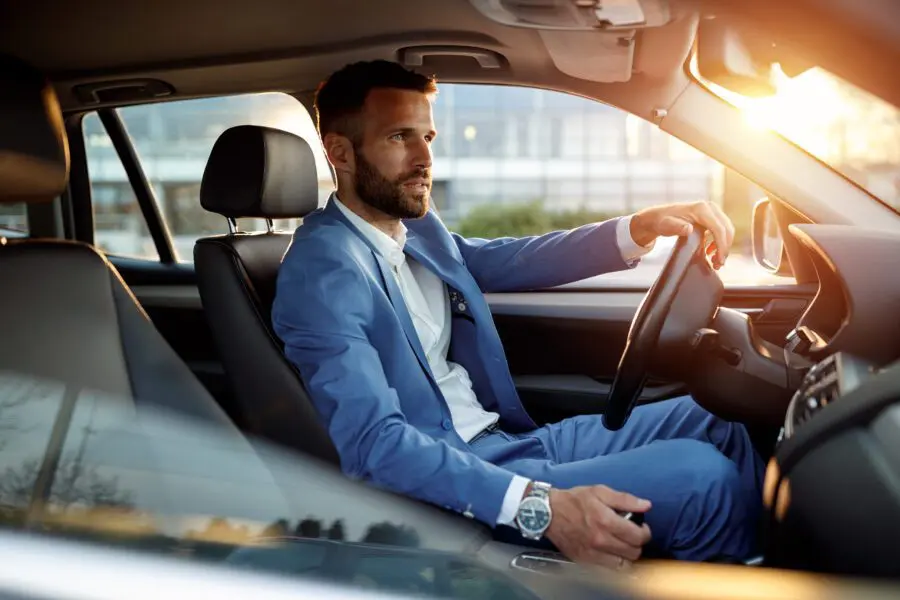

For owners of high-end cars, getting the right insurance is about more than just compliance – it’s about protecting your prized asset from the unique risks it faces.
Luxury car insurance isn’t a separate policy, but a specialized version of auto insurance that’s tailored to meet the needs of luxury car owners. Compared to a typical car, a luxury vehicle can offer a unique driving experience and unparalleled comfort with its high levels of amenities, quality and performance – all of which may come with a heftier price tag.
When it comes to luxury cars, the financial risks can be heightened, even beyond the initial purchase price. The costs of parts, repairs and labor for these vehicles may be higher than those for standard vehicles, which could lead to higher insurance costs. Because of this, luxury car owners may want to add coverages that go beyond those included in a standard auto policy.
Evaluating Your Coverage Needs
When it comes to insuring your luxury vehicle, it’s important to remember that one size does not fit all. The high value of your vehicle can directly impact your insurance needs, since repairs can be significantly more expensive compared to standard models. Plus, luxury cars are often targeted for theft, requiring enhanced coverage to manage this elevated risk.
It’s also important to evaluate your personal risk tolerance, such as how much financial risk you may bear in case of an accident or theft, and how much you use your vehicle. Both of these aspects can affect the extent of coverage necessary. Above all, it’s crucial to work with a trusted insurance broker, who can provide personalized advice and guidance to help protect your luxury car.
Luxury Car Insurance Coverage Types
While your coverage needs will vary based on factors like vehicle value, risk tolerance, vehicle usage, theft risk and more, here are a few common risks that you may want included in your car insurance policy.
- Collision Coverage: As the name suggests, collision insurance provides coverage for damage to your vehicle caused by a collision. This could include not just a collision with another vehicle, but also a collision with another object, such as a pole, tree or pothole. This is a vital form of coverage for luxury car owners, since their vehicles could incur higher repair or replacement costs if damaged.
- Property Damage Liability: Complementing collision coverage, property damage liability insurance offers coverage for property damage to another individual’s property that occurs due to a crash that you cause. This essential form of coverage is often required under state law.
- Bodily Injury Liability: Like property damage liability coverage, bodily injury liability insurance is required in many states. If you are at fault in an accident, this coverage will help pay for injuries incurred by third parties by covering medical expenses and certain related costs like lost income. A similar form of coverage is personal injury protection (PIP), which helps cover injuries sustained by the insured and their passengers.
- Comprehensive Coverage: This form of coverage is, as the name suggests, more comprehensive, covering damage to your vehicle due to theft, vandalism, animals, fire, weather events and other covered non-collision incidents.
- Uninsured and Underinsured Motorist: While most states require auto insurance and set minimum insurance requirements, some drivers let their policies lapse or have low policy limits. If you’re hit by an uninsured or underinsured driver, these two coverage types can help.
- Medical Payments: This type of coverage can help protect you and your passengers by covering medical bills incurred by you or your passengers due to an accident – regardless of who is at fault.
- Original Parts Replacement: Also known as original equipment manufacturer insurance, this form of coverage helps ensure that covered repairs to your vehicle use parts that are produced by your car’s manufacturer, rather than using aftermarket or recycled parts. This coverage can be particularly important for luxury car owners, as it can help maintain the vehicle’s authenticity and value.
- Gap Insurance: New cars can depreciate quickly, and if your vehicle is stolen or totaled, you could end up owing more than the car is worth if your claim payout is less than your debt. Gap insurance is designed to help cover this difference.
- Umbrella (Excess Liability): Luxury vehicles may need higher liability coverage to sufficiently protect the owner’s assets in case of an at-fault accident. In addition to securing more robust auto liability coverage, you may want to consider an umbrella insurance policy, which can provide excess liability coverage to supplement your auto insurance.

Maximizing Savings Without Compromising Protection
While luxury car insurance may be costly, there are several ways to maximize savings without compromising coverage. Potential opportunities for insurance savings include:
- Bundling policies. By bundling multiple policies, such as auto and home insurance, you may be able to take advantage of bundle discounts.
- Drive safely. Maintaining a clean driving record by avoiding accidents and traffic violations can help lower your insurance premiums.
- Drive less. Reducing your vehicle’s annual mileage could make you eligible for low-mileage discounts with your insurance provider.
- Review your coverage regularly. Regular reviews of your personal insurance policies with your insurance broker can allow for adjustments in coverage to help prevent over- or under-insurance, along with addressing new risks that may have arisen. When it comes to adjusting your coverage, it’s important to do so wisely and with the help of your insurance advisor.
- Install anti-theft features. By adding anti-theft measures, such as car alarms, VIN etching and theft deterrents, you may be able to reduce your auto insurance costs.
- Consider telematics programs. If your insurance provider offers a telematics program, consider using it in your luxury vehicle to track your safe driving habits and potentially reduce your insurance rates.
- Opt for higher deductibles (if suitable). Opting for higher deductibles can decrease the cost of your premiums, but it can also increase out-of-pocket expenses when a claim occurs. This is a trade-off that you’ll need to consider based on your financial situation and risk tolerance.
- Work with an insurance broker. Selecting the right insurance partner is crucial to ensuring that your vehicle is protected. You’ll want an insurance broker who understands the unique risks and coverage needs associated with high-end vehicles and other high-value items, like one of Higginbotham’s personal insurance specialists.
Ensuring Safety for Your Luxury Car
As a luxury car owner, taking the time to understand the complexities of your coverage needs and partnering with an experienced insurance broker like Higginbotham can help ensure you’re protected without compromising on quality or value. If you’re ready to experience Higginbotham’s personalized approach to insuring luxury vehicles, talk to a luxury car insurance specialist today.