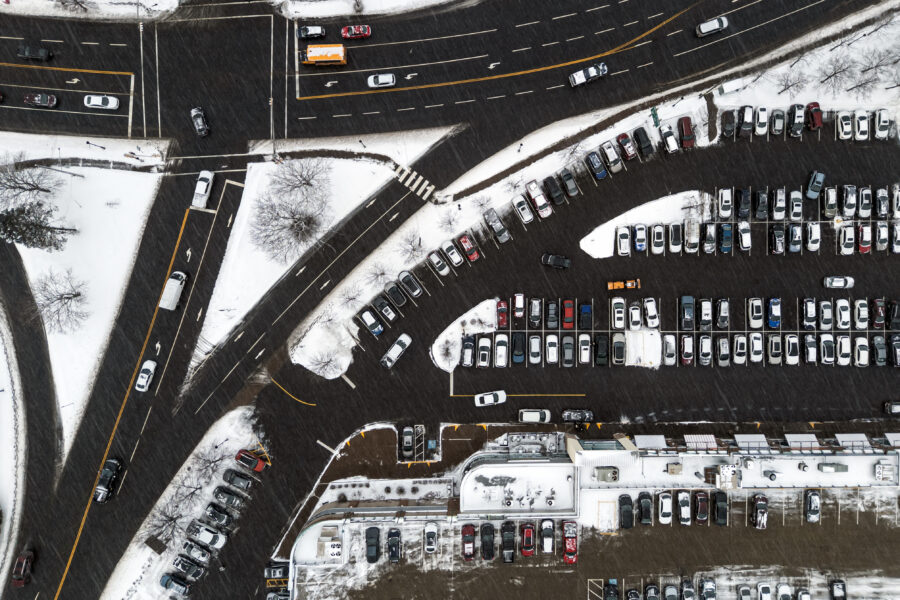

As temperatures begin to drop, many businesses prepare their buildings for winter by servicing HVAC systems, inspecting roofs and weatherproofing facilities. But one area that is often overlooked is the parking lot.
Your parking lot is one of the first things that employees, customers and visitors experience when they arrive. However, during the winter months, it can also become a source of slips, falls and vehicle damage if it is not properly maintained.
Taking time to prepare your parking lot before winter weather arrives can help reduce hazards, preserve your pavement and support day-to-day operations throughout the season.
Inspect and Repair Your Parking Lot Before Winter
A thorough inspection can help to identify any maintenance issues before freezing temperatures make them more difficult and costly to address. Fall is typically the best time to repair pavement because winter’s repeated freeze-thaw cycles can cause small cracks and potholes to grow into more significant damage.
As you inspect your parking lot, look for:
- Cracks in the pavement
- Potholes
- Uneven surfaces
- Faded pavement markings
- Damaged curbs
- Drainage issues or areas where water collects
Pay especially close attention to standing water. As temperatures drop, pooled water can freeze and create slippery, dangerous conditions for pedestrians and drivers.
Addressing these issues before winter can help improve safety, reduce further pavement deterioration, extend the life of your parking lot and minimize disruptions during the colder months. If permanent repairs cannot be completed before winter, clearly mark any damaged areas and monitor them until repairs can be made.
Develop a Snow and Ice Management Plan
Rather than simply reacting to each winter storm when it arrives, businesses should establish a snow and ice management plan before the season even begins. In this plan, consider addressing questions like:
- Who is responsible for snow removal?
- When will plowing or shoveling begin?
- Which entrances, walkways and parking areas receive priority?
- How will ice be monitored and treated?
- Where will snow be piled to avoid blocking visibility, parking spaces or drainage?
If you work with a contracted snow removal company, review your service agreements before the season starts to confirm response expectations and communication procedures.
Document Maintenance Activities
Keeping records of inspections and maintenance activities can help demonstrate your organization’s commitment to property upkeep and ongoing risk management. Consider documenting:
- Inspection dates and findings
- Weather conditions
- Snow and ice removal activities
- Deicing applications
- Completed repairs
- Contractor service records
Consistent documentation can also help evaluate the effectiveness of your winter maintenance program and identify opportunities for improvement.
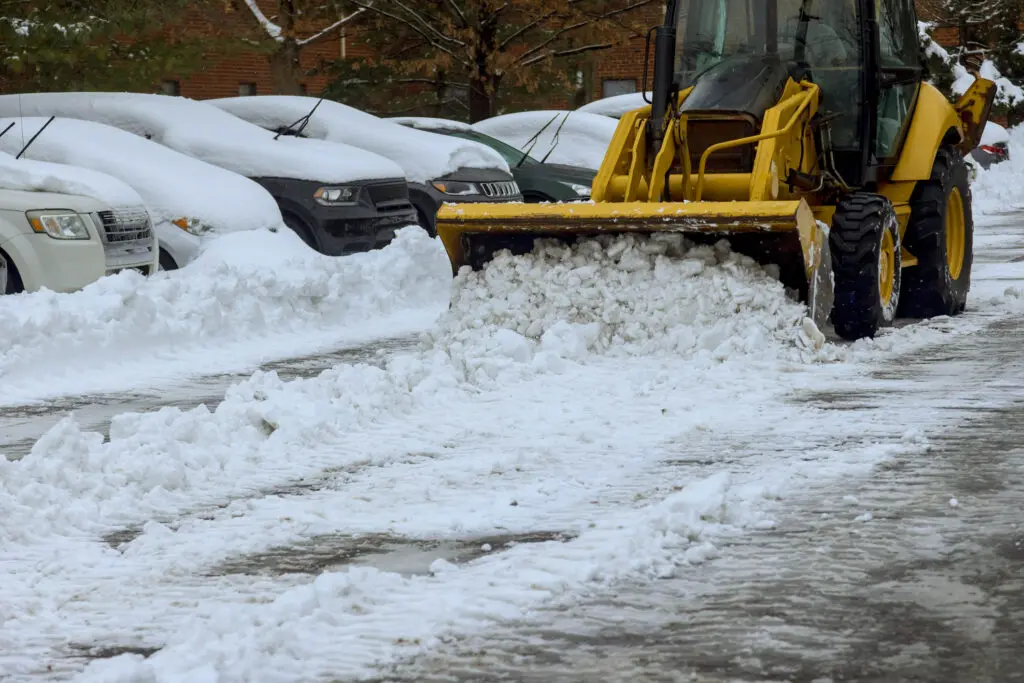
Prepare for Winter Weather
Winter conditions can develop very quickly, which makes it important to have your property and your team ready before the first storm arrives.
Start by checking features that help drivers and pedestrians to navigate your property safely, including:
- Parking lot lighting
- Directional signs
- Speed limit signs
- Crosswalk markings and stop bars
- Accessible parking spaces
Clear pavement markings and adequate lighting can help improve visibility during shorter days and periods of snow, ice or heavy precipitation.
It’s also a good idea to keep winter supplies readily available so your team can respond to changing conditions. Consider stocking:
- Ice melt or other deicing materials
- Snow shovels
- Ice scrapers
- Traffic cones or barricades
- Warning signs for slippery conditions
Finally, make sure employees understand your winter response procedures. Training should cover how to report icy conditions, safely apply deicing materials, when to contact maintenance personnel or contractors, safe snow removal practices and emergency communication procedures during severe winter weather. Encouraging employees to report hazards as soon as they are noticed can help ensure that problems are addressed before becoming more serious.
Protect Your Business Throughout the Winter
Winter weather cannot be prevented, but preparation can help reduce potential hazards before they affect your business. A proactive approach to parking lot maintenance can help protect your property, support business continuity and create a safer environment for employees, customers and other visitors.
Parking lot maintenance is just one part of a broader risk management strategy. Regular property inspections, preventive maintenance and well-defined response procedures can all play a role in helping businesses to manage seasonal risks.
If you have questions about property-related exposures or would like to review your commercial insurance and risk management strategy, Higginbotham is here to help you identify practical solutions that support your business goals. Connect with a member of our team today.