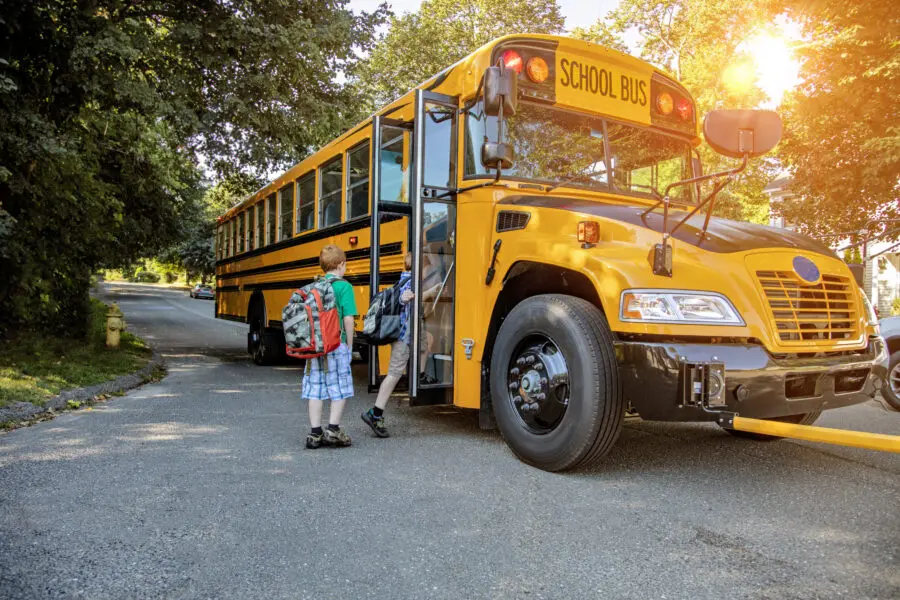

As summer ends and children return to classrooms across the country, it’s important to focus on practical back-to-school safety tips that can help keep kids protected during this busy time. From walking routes and bicycle rides to school bus procedures and vehicle drop-offs, each part of a child’s commute presents risks that careful planning can reduce.
Walking and Pedestrian Safety
Young pedestrians face real dangers on their way to and from school. In the United States, over 8,000 pedestrians are killed in traffic crashes each year, and roughly 140,000 suffer non-fatal injuries that are treated in emergency departments. Children are especially vulnerable because they are smaller, less visible to drivers and more likely to behave unpredictably near traffic.
If a child will be walking to school, parents should review the safest route with them before the school year begins. Walk the route together and point out potential hazards like busy intersections, driveways with limited visibility and areas without sidewalks.
Key pedestrian safety tips include:
- Use sidewalks whenever possible. If no sidewalk is available, walk against traffic on the left side of the road.
- Cross only at marked crosswalks or intersections. Stop at the curb and look both ways before crossing the street.
- Make eye contact with drivers at intersections. Confirm they see you before crossing.
- Stay focused on your surroundings. Put away cell phones or tablets and remove headphones when walking near traffic.
- Watch for hidden traffic. Avoid crossing between parked cars where vehicles that are approaching may be difficult to see.
- Wear bright or reflective clothing. Increase visibility during early morning or late afternoon travel.
Reinforcing these habits regularly can help children internalize safe behavior so they can eventually walk to school safely and independently.
Bicycle Safety
Nearly 1,000 bicyclists die in motor vehicle crashes each year in the United States, and approximately 120,000 are treated in emergency departments for non-fatal injuries. Children who bike to school need proper equipment, clear route knowledge and an understanding of traffic laws. Essential safety practices include:
- Wear a properly fitted helmet. The helmet should sit level, cover the forehead and fit snugly.
- Ride in the same direction as traffic. Stay on the right side of the road.
- Stop before crossing streets. Look in every direction for approaching vehicles.
- Use hand signals. Let drivers know when you plan to turn or stop.
- Choose safer routes. Ride in bike lanes or on quieter residential streets whenever possible.
- Inspect your bike regularly. Check brakes, tires and reflectors before riding.
Drivers also play a critical role in keeping cyclists safe. Pay extra attention when driving near cyclists and, if possible, maintain at least three feet of distance when passing. Children on bikes may be less predictable than adult riders, so it’s important to stay vigilant.
School Bus Safety
School buses are the most regulated vehicles on the road, and less than one percent of all traffic fatalities involve school transportation. With this strong safety record, the most dangerous moments for children happen outside the bus while waiting, boarding or crossing the street.
The area 10 feet around a school bus, which is often called the “danger zone,” is where children are at the greatest risk because the bus driver’s visibility is extremely limited. Teach children these essential safety tips for bus riders:
- Arrive at the bus stop early. Plan to be there about five minutes before pick-up.
- Wait a safe distance from the curb. Stand at least six feet away until the bus stops completely.
- Board and exit carefully. Use the handrail and avoid pushing or crowding.
- Cross only when directed. Walk at least 10 feet in front of the bus after the driver signals that it is safe. Never cross behind a school bus.
- Never chase a moving bus. Wait for the next pick-up instead.
- Respect the bus driver. While on the bus, listen to the driver and remain seated to avoid distracting them.
For drivers, the rules around stopped school buses are critical:
- Stop for buses displaying red flashing lights and an extended stop arm, no matter which side of the road the bus is on. Follow your state’s laws regarding divided roads and highways. For example, in Texas, if a road is separated by a physical barrier, such as a grass median, vehicles on the opposite side of the school bus are not required to stop.
- Slow down when yellow lights flash. Flashing yellow lights indicate that the bus is preparing to stop.
- Never pass a stopped school bus. Children may cross unexpectedly.
Communicate with the bus driver about any special needs or concerns your child may have. Open communication between parents and transportation staff can help to keep children safe throughout the school year.
Vehicle Drop-off and Pick-up
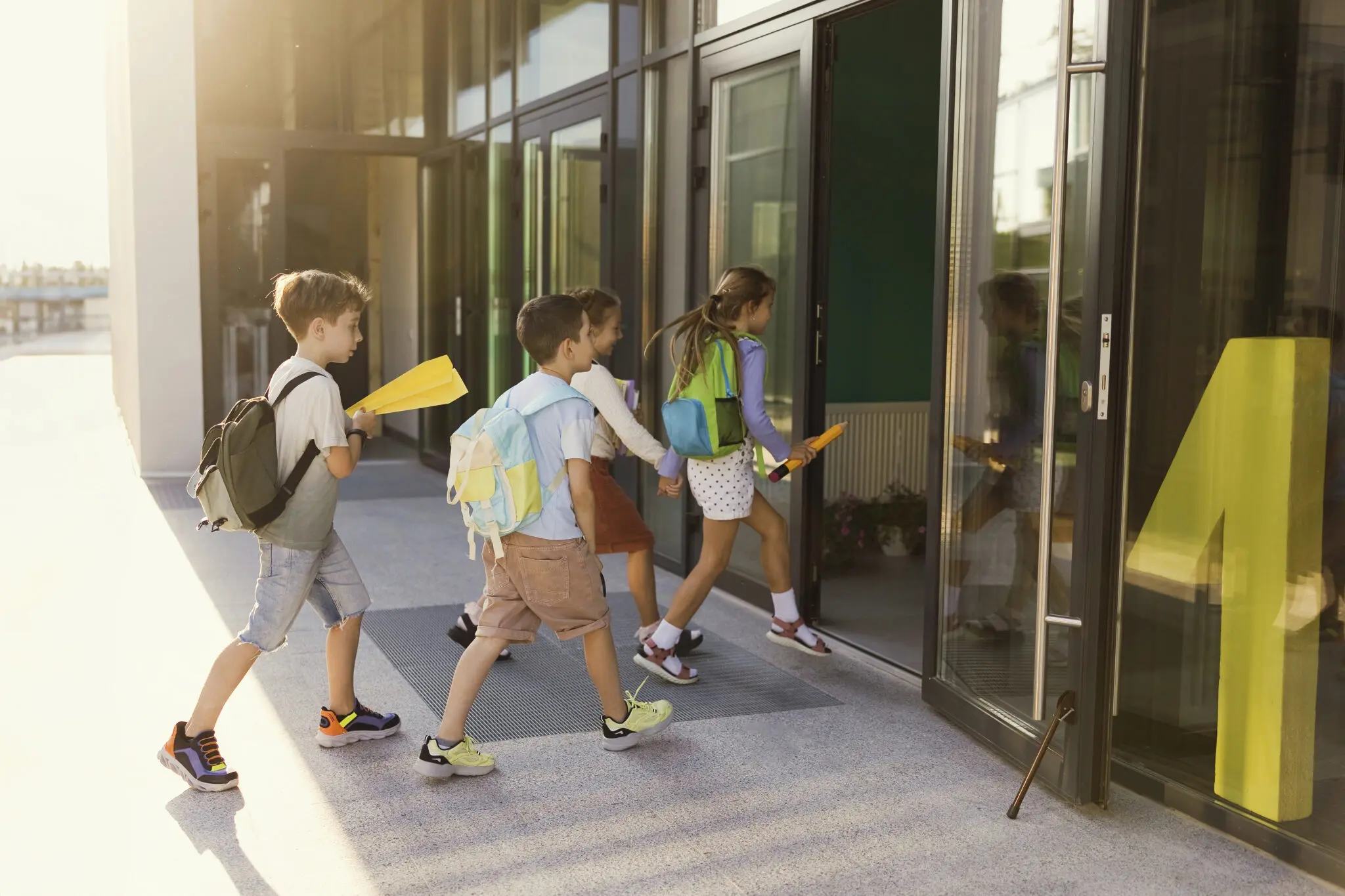
School zones during drop-off and pick-up times are among the most congested and hazardous areas for children and drivers alike. Rushed parents, distracted drivers and children walking between vehicles create a combination of risks that require extra vigilance.
- Follow the school’s traffic procedures. These procedures are designed to reduce congestion and improve safety.
- Obey school zone speed limits. Slow speeds give drivers more time to react.
- Watch carefully for children. Expect pedestrians near parked cars, crosswalks and larger vehicles.
- Avoid illegal loading and passing. Never pass stopped school buses, and do not load children into a vehicle that’s across the street from the school.
- Keep crosswalks and intersections clear. Do not block pedestrians or traffic controls.
- Eliminate distractions. Put away your phone and keep your attention on the road.
- Leave extra travel time. Avoid rushing through school zones.
- Use designated loading areas. Have children enter and exit on the curb side whenever possible.
Driver Awareness and Behavior
Drivers should adopt heightened awareness during the back-to-school season and maintain it for the entire school year. Always drive with extra care when around a school.
- Slow down near schools and neighborhoods. Be prepared to stop for pedestrians.
- Give new drivers extra space. Teen drivers may react unpredictably.
- Stay focused on driving. Set navigation before leaving and avoid phone use while driving.
- Expect unexpected behavior. Young children may suddenly enter the roadway.
- Make eye contact at crossings. Confirm pedestrians know that you are yielding.
- Use the correct child restraints. Make sure children are secured in age- and size-appropriate seats.
- Practice safe driving every day. School zone safety requires consistent attention throughout the year.
Emergency Preparedness
Preparing children for unexpected situations is an important part of back-to-school safety. Beyond teaching safe transportation habits, families should also discuss how to respond to emergencies at school, during the commute and in other unexpected situations.
- Teach emergency contact information. Children should know their address, phone number and emergency contacts.
- Keep school records current. Update emergency contacts whenever information changes.
- Review your family communication plan. Make sure everyone knows where to meet during an emergency.
- Discuss school emergency procedures. Encourage children to remain calm and follow staff instructions.
- Identify trusted adults at school. Help children know who they can approach if they need assistance.
Most schools maintain and regularly practice emergency operations plans that cover natural disasters, health emergencies and other incidents. Parents who understand their school’s emergency procedures can reinforce them at home.
Additional Tips for a Safe School Year
Beyond transportation and emergency planning, several additional practices can help families prepare for a safe and healthy school year:
- Monitor your child’s health. Keep them home when they are sick.
- Encourage good hygiene. Regular handwashing helps reduce the spread of illness.
- Talk about school regularly. Encourage children to discuss safety concerns, friendships and stress.
- Review school safety rules together. Refresh routes, schedules and traffic expectations before school starts.
- Make safety part of everyday life. Reinforce good habits throughout the year.
Protecting What Matters Most
Keeping your family safe doesn’t stop after the first day of school. As children grow, routines change and new challenges arise, it’s important to revisit safety habits throughout the year. Reviewing your family’s routines and making sure you have the right protections in place can help you feel better prepared for whatever the school year brings.
At Higginbotham, we work with individuals and families to help protect what matters most. Whether you’re reviewing your auto insurance, evaluating your homeowners’ coverage or looking for guidance on your personal insurance needs, our team is here to help. Contact Higginbotham today to learn more about coverage options that fit your family’s needs.